Kenny Sebastian on Stand-Up Comedy, AI, and Audience Dynamics
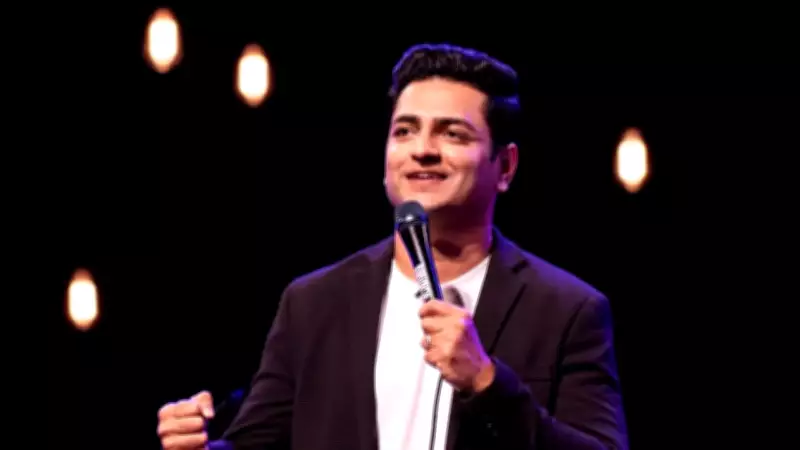
From packed auditoriums to endlessly scrollable reels, stand-up comedy today exists across formats, but for Kenny Sebastian, the live experience still holds its own. Fresh off his performance in Chennai recently, the comedian spoke to us about audience dynamics, evolving comic sensibilities, and what keeps stand-up feeling human in an increasingly digital world.
Has short-form content changed how you structure your sets?
I have flip-flopped. I started as a one-hour set with callbacks. Then I moved to 10-minute YouTube writing. Now I am back to writing for a live audience. Online, I will figure later. Clips sometimes end randomly; they were not designed for it. I use crowd work for short clips, but if a bit needs five minutes, I keep it that way, even if it costs views.
In a time where everyone is performing online, what makes stand-up feel real?
Stand-up is a profession by itself. Performing is one skill; shooting and editing another. Like Bharatanatyam, you perform, and someone records it. Video is documentation. Stand-up is the same. The focus is being a good performer and writer. That is why it feels real.

Do you question how much of your personal life to share?
I am careful. I am a millennial and did not grow up with the internet. If something feels off, I do not share it. Sharing very private things for content is low-hanging fruit. I do not think that is right.
With AI writing jokes and scripts, do you see it as a creative tool or a threat?
Not a threat at all. For creative writing, not even remotely. I come from an art background, and AI for creative purposes is an abomination. It has replaced assistant jobs like compiling things. Logically, nobody should come to a stand-up show; you could watch a $100 million film cheaper. But people still come for one person on stage — the human experience.
Do you second-guess jokes in the age of social media outrage?
This is more India-specific. Comics are not afraid of offense. The issue is legal consequences and lack of free speech in some areas. Cancel culture is misunderstood. Losing followers is not cancellation. I do not second-guess in that sense.
How have audiences and comedians evolved?
I genuinely think Indian comedians are better than many comedians abroad, if you compare them at the same stage of their careers. People compare them to legends like Bill Burr or Dave Chappelle, but those comedians have decades of experience. Indian comics have fought harder — social stigma, lack of infrastructure — so they are resilient and skilled.
Chennai audiences can take time to warm up. What is your strategy for winning them over early?
I think that happens more with smaller shows. When material is not there yet or the audience is smaller, people feel conscious. But with big shows above 1,000, it is the opposite — the energy is electric. It is an amazing crowd that hoots and claps for everything. If they can see each other and feel singled out, they get conscious. Not with big shows.
After a show in Chennai, what is your ideal decompression ritual?
I wish I had one. My shows have a lot of production, so my day starts early with a full run-through. People think comics just walk in and perform, but the whole day goes into it. Decompression is going to the hotel and sleeping. I have been touring for 10 years, and usually have another show the next day.
On whether political correctness is useful...
Political correctness is useful. People call it overcorrection, but no movement is ever adequate. If people have been oppressed, their response will feel like overcorrection. That is why we do not make racist or sexist jokes anymore. What feels like overcorrection now will settle. It is part of cultural progress.
Written By: Aashna Reddy