

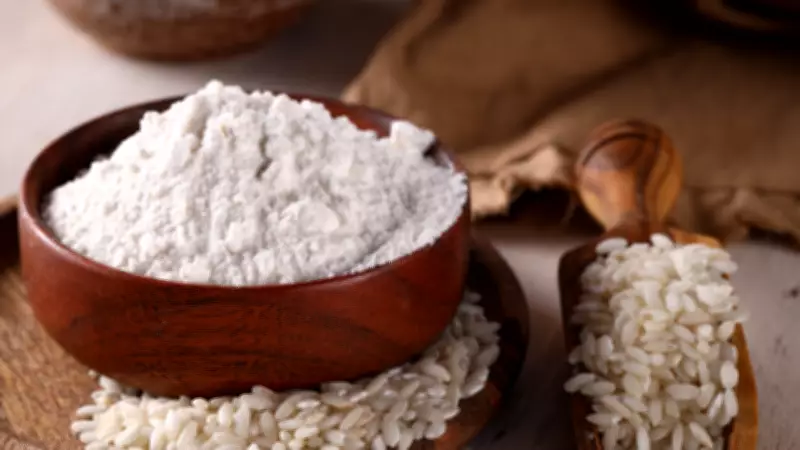
Rice flour has a rare kind of range in Indian cooking. It can become a crisp snack, a delicate steamed dumpling, a wafer-thin bread or a festive sweet, depending on the region and the cook. The best-known dishes made from it are not just filling; they carry the memory of harvests, temple offerings, family feasts and old kitchen routines that still survive in homes across the country. These six stand out because they are widely recognised, firmly rooted in tradition and unmistakably rice-flour based.
Akki Rotti
Akki rotti is one of the simplest and most satisfying rice-flour dishes in the Indian pantry. The name itself gives the game away: “akki” means rice in Kannada, and the bread is made from rice flour, shaped by hand and cooked on a griddle. It is popular across Karnataka and often appears with chutney, vegetables or a spoon of ghee. What makes it appealing is its plainspoken charm. It does not try to be fancy; it tastes like everyday food done well.
Pathiri
Pathiri is a signature dish of Kerala’s Malabar belt and one of the clearest examples of rice flour turning into something fine and feather-light. Traditional rice pathiri is made from roasted raw rice flour, water and salt, then cooked into a soft flatbread. In Malabar kitchens, it is often paired with chicken, meat or fish curries, especially in Mappila cuisine. The result is understated but memorable: a bread that does not compete with the curry, yet carries it beautifully.

Idiyappam
Idiyappam is one of the most beloved rice-flour staples in southern India. Made by pressing rice flour dough into thin strands and steaming them, it is light, clean-tasting and extremely versatile. The dish appears across Malayali, Tamil and broader South Indian kitchens, and it is often served at breakfast or with curry for a fuller meal. What gives idiyappam its staying power is its texture: soft enough to soak up gravy yet distinct enough to feel like its own dish.
Modak
Modak may be most closely associated with Maharashtra, but it has a wider cultural life across the south as well. The classic version is made with a rice-flour shell and filled with coconut and jaggery, then steamed into a neat little parcel. It is especially linked with Ganesh Chaturthi, when it becomes both offering and indulgence. The beauty of modak lies in its balance: the rice-flour outer layer is gentle and soft, while the filling brings sweetness, warmth and fragrance.
Ariselu
Ariselu, also known as athirasam in Tamil Nadu, is a classic festive sweet made from rice and jaggery. It is especially associated with Sankranti and related harvest celebrations in Andhra Pradesh and Telangana. The dough is made from rice flour or ground rice mixed with jaggery, then shaped and fried until it develops a deep, caramelised crust. It is the kind of sweet that tastes like celebration itself: rich, old-fashioned and impossible to mistake for anything modern.
Pitha
Pitha is not just one dish but a whole family of rice-flour preparations across Assam, Bengal and Odisha, especially during harvest festivals. Some are steamed, some fried, some sweet and some savoury. Assamese versions often use rice flour with jaggery, coconut or sesame, while festival descriptions from eastern India repeatedly point to rice flour as the base. That flexibility is exactly why pitha matters: it is less a single recipe than a living tradition shaped by season, celebration and household habit.

