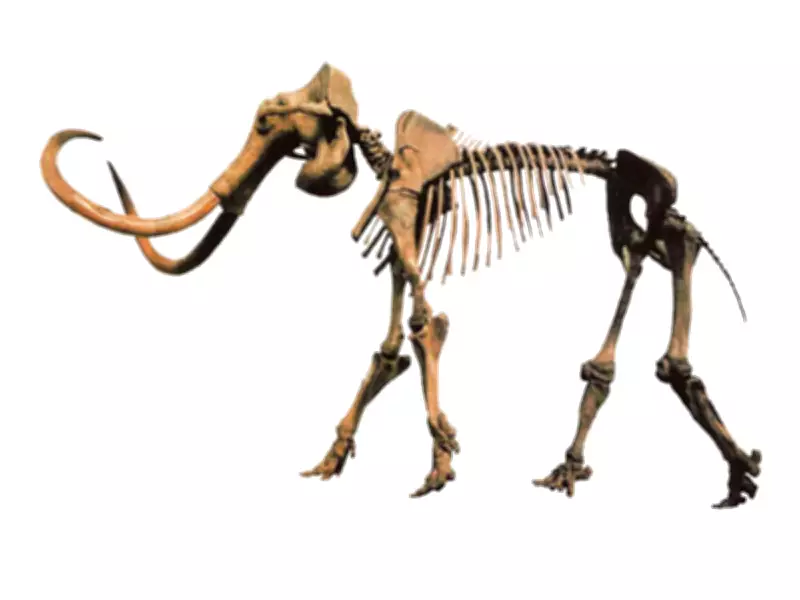
In 1979, Wisconsin farmer John Hebior discovered an unusually large bone in a field and decided to keep it. This small decision proved significant for archaeology. A few years later, archaeologists identified the bone as part of a mammoth skeleton and began excavating his property. Excavators concluded the site was one of Wisconsin's most important Pleistocene sites.
The Significance of the Hebior Mammoth
The Hebior Mammoth is significant because of its size and its association with stone tools and possible butchery evidence. It was also the subject of a long-running discussion about when humans first resided in North America. The tale exemplifies how a major archaeological discovery can start with a tiny, deliberate choice to preserve something unusual rather than discard it.
Unusual Bone That Was Too Odd to Discard
John Hebior discovered an enormous bone on his property in 1979. He kept it because it was unusual. Archaeologists examined the find in the 1990s and identified it as part of a mammoth skeleton. When the connection was confirmed, excavations began at the farm. This discovery shows how local knowledge may hold an answer for years before experts realize its importance. The Milwaukee Public Museum provides a similar sequence of events, including excavations in the mid-1990s that yielded stone tools and possible butchery evidence. The tale is not just about an object that was saved; it is about a kept clue that led investigators to a bigger site. Context in archaeology is crucial: one bone may be overlooked, but when connected to other remains or evidence of human activities, it can suggest a larger historical past.

Why the Site Attracted Attention
The Hebior Mammoth site drew notice because the remains were not isolated. The Milwaukee Public Museum reports that the mammoth was linked with stone tools and butchering evidence, making the site different from a simple Ice Age carcass. Radiocarbon dates for the site are around 14,500 BP, giving archaeologists reasons to consider Hebior as evidence of human activities rather than natural decay. The mix of bones, instruments, and marks makes Hebior a standout. The museum's excavations were unusually extensive, and educational materials highlight the Hebior Mammoth as a valuable learning tool for students studying early North American prehistory. Preservation has helped scientists study the impressions the animal left, crucial for archaeology because tiny fragments often leave many questions unanswered. This site has enough information to allow exhibitions and classroom use.
A Clue to People Before Clovis
The site's dates bear on the timeline of early humans in North America. Researchers at the Milwaukee Public Museum explain that the mammoth's death around 14,500 years ago could place humans in the region about 1,000 years before the traditional 13,000-year Clovis reference point. The site was part of the larger debate about who were the first inhabitants of the continent. This broader significance is why the Hebior site has enduring importance. The farmer who rescued one peculiar object eventually helped discover a place connected to past human activity. Archaeologists appreciate that such sites are beneficial even though debate continues regarding specific meanings. Hebior could not settle the issue by itself, but it provided an important factual aspect: evidence for human presence could go further back in time than the old benchmark.
Why Bone Marks Have Significance
The Hebior site is also part of an intense scientific debate on interpreting marks on ancient bones. A study published in The Journal of Archaeological Method and Theory explains that identifying genuine marks left by humans versus other types of bone injuries can be challenging. This paper specifically mentions Hebior as part of the review of North American ancient animal sites. Archaeologists must not take every trace as proof; they require thorough investigation to establish whether humans killed the animal or natural processes marked the bones later. This cautionary note does not diminish the site's significance. It shows how archaeology works when stakes are high. Sites linked to ancient human activity must be examined carefully, as misreading could distort the timeline. Hebior is significant because it was part of the conversation with sufficient information for thorough analysis.

From Farm to Public Memories
The story also illustrates the process of discovery from private property to the public domain. After archaeologists recognized the mammoth's bones, the farm became a site for excavations, museum work, and teaching. The Milwaukee Public Museum has preserved the tale in exhibits and educational materials. Public records are important because they record the sequence of human choices that paved the way for recovery. An agricultural worker noticed something unusual, kept it, and waited. Later, scientists transformed that tiny incident into the basis of a larger archaeological story. The Hebior Mammoth remains important because it ties a personal discovery to larger questions about early human presence in North America. It serves as a reminder that archaeology is often based on observation, perseverance, and trust between landowners and scientists. This particular bone from a field provided a glimpse into Ice Age life and the tale of the first inhabitants of North America. It is an uncommon route for finding any kind of bone, beginning with one farmer concluding that the piece of bone was worth keeping.