

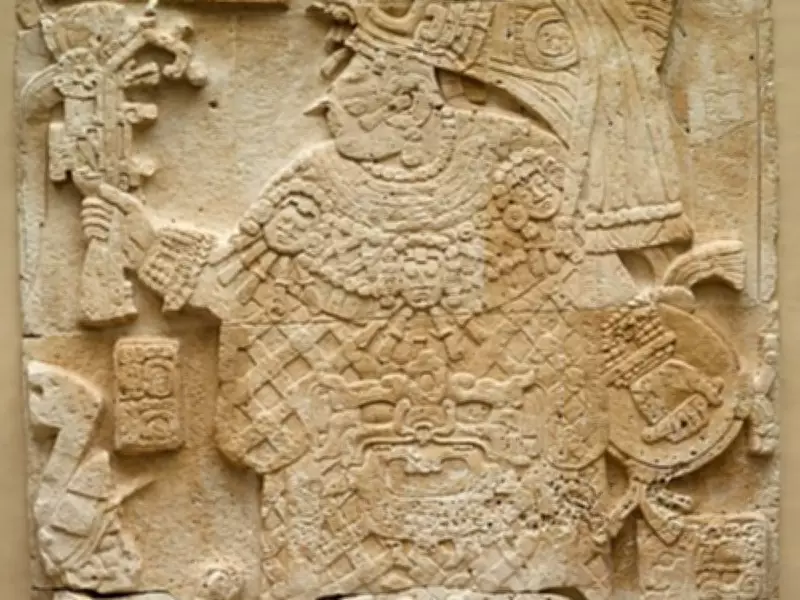
A stunning archaeological discovery in Guatemala has complicated long-held assumptions about elite Maya women, revealing that some held significant political power. For years, textbooks portrayed early Maya rulers as predominantly male, with elite women dismissed as ceremonial figures or wives of royals. However, the discovery of a royal tomb called Burial 61 in the ancient city of El Peru-Waka' has changed this narrative.
The Tomb Matched Ancient Inscriptions
The tomb is believed to belong to the seventh-century Maya queen known as Lady K'abel. When first discovered, historical scholars already knew her name from carvings on stones and hieroglyphics. The history of the site, documented at Washington University in St. Louis, declares her one of the most powerful leaders from the Classic Maya civilization. However, written reports of powerful women have often been viewed with suspicion, seen as overblown or symbolic. Burial 61 provided tangible evidence supporting her high status as a high-ranking politician. The physical burial confirmed the accuracy of ancient texts and carved images regarding power and rank, offering precise physical evidence of her regal status.
Jade's Presence Was Important
Within the tomb, archaeologists discovered numerous prestigious items, including fine jewelry made of jade. In the early Maya world, burying a person with jade was not an unplanned choice. An independent study peer-reviewed by the National Center for Biotechnology Information about Classic Maya mortuary practices explains the frequent appearance of jade in exclusive tombs of high status. Jade was rare and costly, used as a marker of status and ritual importance. It was a loud declaration of power, a symbol of ritual importance and prosperity. The presence of jade in the royal tomb indicates that the people wanted the deceased to be remembered as an individual of great influence. Lady K'abel's jade ornaments placed her in the history of Mesoamerican royals, supporting the view that she held unusually high political authority and received royal honors.

The Transition from the Sidelines into the Battleground
The physical evidence of the tomb prompted a significant transformation in how historians interpret the lives of ancient women. According to an account from Dartmouth University, scholars began to define Lady K'abel's life in military and political terms, even tying her to roles as a supreme warrior and military commander under the influential Kaan Dynasty. This language represents a significant deviation from earlier interpretations that placed elite women mainly in ceremonial or dynastic roles. The burial allowed scientists to discuss the queen as well-integrated into the intricate machinery of military and statecraft.
Boundaries Are Being Redefined for Old Power
This groundbreaking find does not suggest that every Maya queen ruled with an iron fist or that military power was handed to all noble women. However, the real value of Lady K'abel's grave is extremely specific and significant. It proves that at least one woman reached the highest level of Maya administration and was buried with the same honors as the most powerful monarchs. Lady K'abel's final resting site reminds us how archaeology constantly changes our notions of what is possible. One grave, coupled with historical text and archaeological evidence, can force scholars to revise older assumptions. By enshrining an ancient title in physical evidence, this find expanded the boundaries of women's authority and ensured that queens from the past are now recognized as the real leaders they were.






