Microsoft AI CEO Acknowledges Compute Constraints Amid Expansion Push
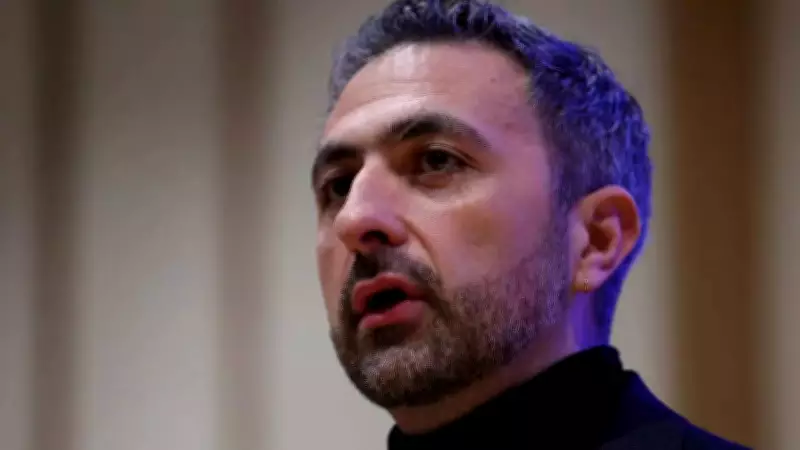
In a candid assessment of current capabilities, Microsoft AI CEO Mustafa Suleyman has revealed that the technology giant still faces significant computing power limitations that prevent it from building artificial intelligence systems at the very largest scale. This admission comes despite Microsoft's aggressive investments in expanding its infrastructure and reducing dependence on external partners.
Current Position in the AI Landscape
Suleyman explained to the Financial Times that while Microsoft is actively working to enhance its computational resources, the company currently operates in what he described as the "mid-class range" of AI development. "We are not able to build models in the very largest scale yet although our computation ramp is coming to enable us to do that later this year," Suleyman stated during the interview.
He characterized this position as "optimal" for balancing multiple critical factors including cost efficiency, performance metrics, quality standards, and large-scale deployment capabilities. This strategic positioning allows Microsoft to compete effectively while continuing to build toward more ambitious goals.

Infrastructure Challenges and Development Roadmap
The remarks coincide with Microsoft's unveiling of a new speech transcription model as part of its broader initiative to strengthen its competitive position in the rapidly evolving AI sector. However, the company continues to encounter substantial constraints that affect the pace of its internal AI development.
These challenges include:
- Limited data center capacity
- Equipment shortages affecting hardware acquisition
- Power availability issues for energy-intensive computing
- Labor constraints in specialized AI development roles
Suleyman emphasized Microsoft's commitment to achieving greater self-sufficiency in AI development over the coming years. "The mission of our lab is to deliver AI self-sufficiency for Microsoft over the next two or three years," he declared. "This means building the chip clusters that are frontier scale, investing in the data budgets, so that over the next few years we can get to the state of the art."
Organizational Developments and Strategic Focus
Suleyman made these comments during an off-site meeting in Miami for Microsoft's Superintelligence team, where he and CEO Satya Nadella addressed approximately 350 employees about the company's long-term compute roadmap and strategic objectives. The former Google DeepMind co-founder joined Microsoft in 2024 to lead consumer AI initiatives and established the specialized team later that year.
This organizational development occurred alongside contract renegotiations with OpenAI, which have granted both companies increased operational flexibility in their partnership arrangements. Microsoft has been methodically constructing its in-house AI infrastructure stack, including the MAI-1 foundation model trained on Nvidia H100 GPUs, though this system remains in preview status.
The company has also expanded its talent acquisition efforts, recruiting professionals from competing organizations including former Allen Institute chief Ali Farhadi. Suleyman highlighted the team's focus on reducing the cost of AI tools, anticipating "an enormous amount of demand" for more accessible artificial intelligence solutions.
Management Restructuring and Product Leadership
In a significant reorganization of leadership responsibilities, Suleyman has assumed direct oversight of AI model development initiatives. Meanwhile, Jacob Andreou, previously with Snapchat, has taken charge of Copilot-branded AI products, reflecting Microsoft's commitment to specialized expertise across different aspects of its artificial intelligence portfolio.
This structural adjustment underscores Microsoft's comprehensive approach to advancing its AI capabilities while addressing the fundamental infrastructure limitations that currently constrain its largest-scale ambitions. The company continues to navigate the complex landscape of hardware availability, energy requirements, and specialized talent as it works toward more autonomous AI development capabilities.