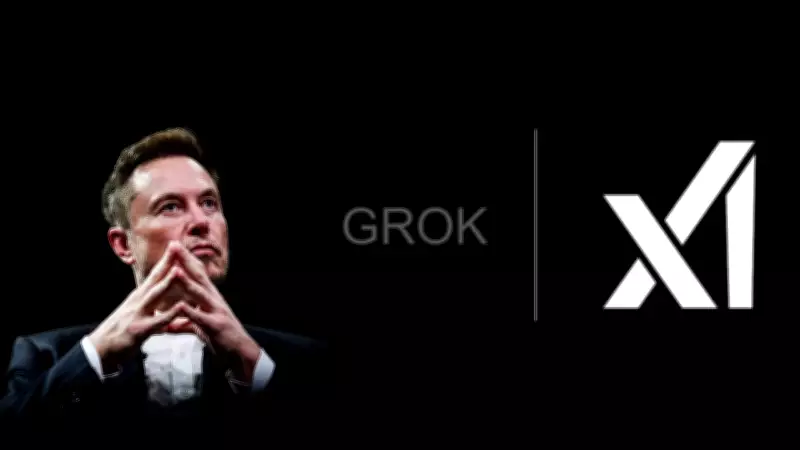
Elon Musk's xAI Postpones Grok Chatbot Update Over Gaming Performance Concerns
In a surprising development, Elon Musk's artificial intelligence startup xAI has reportedly delayed the next major update for its Grok AI chatbot. The postponement comes directly from Musk's dissatisfaction with the system's ability to handle detailed queries about the popular video game Baldur's Gate 3.
Musk's Direct Intervention in Grok's Gaming Capabilities
According to a Business Insider report citing sources familiar with the matter, the model release was pushed back by several days after Musk personally expressed concerns about Grok's performance. The billionaire entrepreneur was reportedly unhappy with how the chatbot answered intricate questions about Baldur's Gate 3, a critically acclaimed role-playing game that has captured global attention.
Sources further revealed that Musk has been pushing for Grok to enhance its understanding of League of Legends, another game he reportedly enjoys. This has elevated gaming knowledge as a development priority within xAI, marking a significant shift in the company's focus areas.

War Room Approach to Address Gaming Deficiencies
To tackle these performance issues, Musk reportedly assembled employees into what insiders describe as a "war room" structure. This approach, which Musk has used previously to address urgent problems, involves dedicated teams working intensively on specific challenges. One such group has been tasked exclusively with improving Grok's ability to answer gaming-related queries accurately and comprehensively.
Internal Challenges at xAI
The report also sheds light on the demanding work environment at xAI, where employees describe the company's small size as creating constant pressure. Issues are reportedly treated like fires that need immediate extinguishing, with teams frequently assembled in war rooms to address pressing problems that can linger unresolved.
This high-pressure approach has reportedly led to internal conflicts and raised questions about sustainability. Employees have expressed concerns about whether the intense focus on gaming capabilities represents the best use of resources, especially when human players can often provide gaming information more efficiently than AI systems.
Broader Context of AI Gaming Performance
The challenges facing Grok are not unique in the AI landscape. The report notes that Google's Gemini AI chatbot has faced similar difficulties, reportedly taking more than 800 hours to complete the Pokémon game. This underscores the inherent complexity of training AI systems to handle sophisticated gameplay mechanics and decision-making processes.
Industry observers are now questioning whether Musk's focus on gaming capabilities aligns with broader AI development goals. As artificial intelligence becomes increasingly integrated into the entertainment industry, the conversation about AI's role in gaming has gained significant momentum.
Future Implications for Grok and AI Development
The delay in Grok's update raises important questions about Musk's strategic vision for xAI. While improving gaming capabilities could enhance user engagement and demonstrate AI versatility, critics wonder if this focus might divert resources from more fundamental AI challenges.
The development highlights the growing intersection between artificial intelligence and entertainment, suggesting that gaming performance may become an increasingly important benchmark for AI systems. As companies like xAI navigate these challenges, the industry will be watching closely to see how these priorities shape the future of AI development.