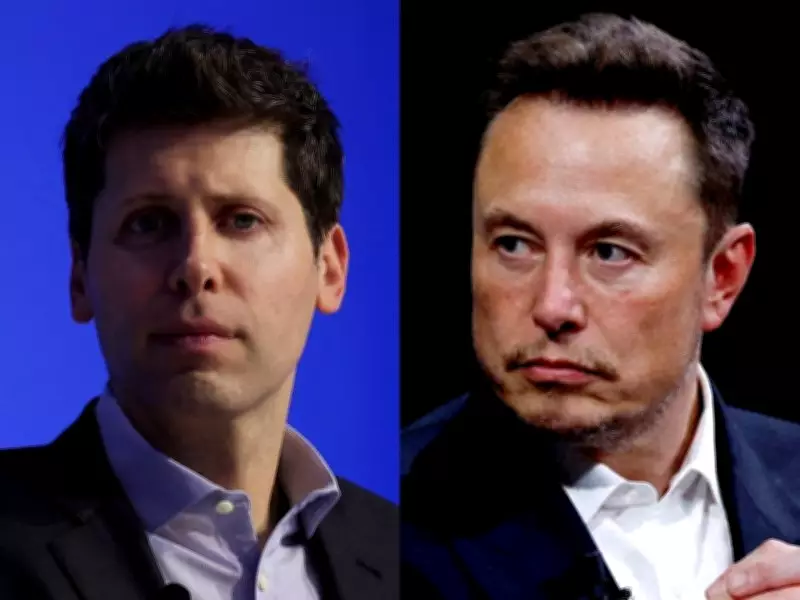
A United States judge has dismissed a lawsuit filed by Elon Musk against OpenAI, the artificial intelligence research organization he co-founded. The ruling marks a significant legal setback for Musk, who had accused OpenAI of abandoning its original nonprofit mission in favor of profit-driven objectives.
Background of the Lawsuit
Musk, who co-founded OpenAI in 2015 alongside Sam Altman and others, left the company's board in 2018. He later filed a lawsuit alleging that OpenAI had breached its founding agreement by transitioning from a nonprofit to a capped-profit model and partnering with Microsoft. Musk claimed this shift violated the company's commitment to developing AI for the benefit of humanity.
Judge's Ruling
US District Judge Yvonne Gonzalez Rogers ruled that Musk failed to provide sufficient evidence to support his claims. The court found that Musk's allegations did not demonstrate that OpenAI had abandoned its mission or that the partnership with Microsoft constituted a breach of contract. The judge emphasized that OpenAI's shift to a capped-profit structure was legally permissible and did not violate any binding agreements.

Reactions and Implications
OpenAI welcomed the ruling, stating that it validated the company's commitment to its mission. In a statement, the organization said it remains dedicated to ensuring that artificial general intelligence benefits all of humanity. Legal experts noted that the case highlighted the complexities of enforcing informal agreements in the rapidly evolving AI sector.
Musk, who is currently leading his own AI startup xAI, expressed disappointment but did not immediately announce plans to appeal. The case is one of several legal disputes involving Musk, who has been vocal about the risks of unchecked AI development.
Broader Context
The lawsuit underscores ongoing debates about the governance of AI research and the tension between profit motives and ethical considerations. As AI technologies advance, questions about accountability and transparency are likely to persist. The ruling may influence how future disputes over AI ethics and corporate structure are adjudicated.