The issue of harmful algae blooms is rapidly becoming one of the most significant environmental and health risks worldwide, impacting lakes, rivers, reservoirs, and coastal areas across multiple continents. To combat this growing threat, NASA has decided to employ artificial intelligence, machine learning, and remote sensing technologies to detect harmful algae blooms at an early stage and prevent them from becoming hazardous.
How NASA Combines AI and Satellites
By integrating Earth observation tools with AI-based environmental monitoring systems, scientists can analyze water temperature, chlorophyll content levels, and other critical parameters. This combination enables the detection of algae blooms before they become visible to the naked eye. Researchers expect that this technology can improve water quality forecasts, protect water resources, and eliminate threats to ecosystems and fisheries.
Harmful algae blooms, also known as HABs, refer to the accelerated growth of algae in freshwater or marine ecosystems. Some algae produce toxins that are hazardous to humans, marine life, sea animals, and seabirds. Climate change, warm waters, and agricultural runoff are increasing the frequency of such phenomena worldwide.

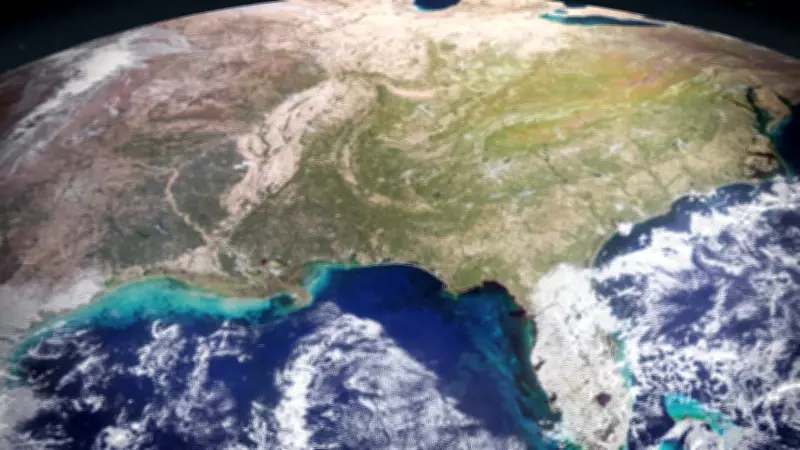
NASA researchers use satellite imaging techniques and artificial intelligence to assess color and temperature variations associated with algae presence, as well as the amount of chlorophyll in the water. Satellite observation technologies allow monitoring of extensive water resources much faster than any field studies can achieve.
According to NASA scientists, artificial intelligence enables the interpretation of images from Earth-observing satellites and predicts the location of future blooms before they become apparent to local populations. NASA oceanographer Paula Bontempi stated, "Space-based observations are essential in the study of harmful algal blooms on a regional and global scale." Satellite imaging is particularly helpful for analyzing water bodies in remote areas.
Why Harmful Algae Blooms Are Dangerous
Algal blooms can release toxins that contaminate water supplies and harm aquatic ecosystems as well as humans. Some blooms contain neurotoxins and hepatotoxins, which can affect both humans and animals. The National Institute of Environmental Health Sciences reports that toxic algae can cause skin irritations, breathing problems, vomiting, and illness in humans and pets.
Large-scale outbreaks have already occurred in the United States, Canada, and Australia. Scientists suggest that global warming will increase the number of algal blooms in coming years. Nutrient pollution is one of the leading causes of this phenomenon.
How Artificial Intelligence Improves Environmental Monitoring
AI can process large volumes of satellite data at unprecedented speeds compared to humans. Rather than manually analyzing thousands of images, artificial intelligence automatically recognizes patterns related to hazardous growths. NASA has partnered with universities and environmental authorities to develop machine learning models that predict bloom behavior based on past patterns and climatic conditions. It is expected that AI may be used to warn governments about potential negative consequences.
Research funded by the NASA Applied Sciences Program has demonstrated how machine learning can enhance the forecasting capabilities of environmental management systems and plans. Scientists state that the new technology will not only reduce costs related to field sampling but also assist in climate resilience planning.
The Future of AI-Powered Environmental Protection
NASA's projects involving AI and algae blooms illustrate the increasing trend of using technology in environmental research. With the growing urgency of the climate crisis, researchers are seeking faster and more effective ways to study endangered ecosystems through remote sensing. While AI cannot completely eradicate harmful algal blooms, experts believe that early detection methods can help communities prepare better and reduce risks to well-being and safety.
The integration of satellite imagery, machine learning, and environmental sciences may soon become one of the best tools for conserving natural resources. For many scientists, this project is also a prime example of the practical applications of space technology.