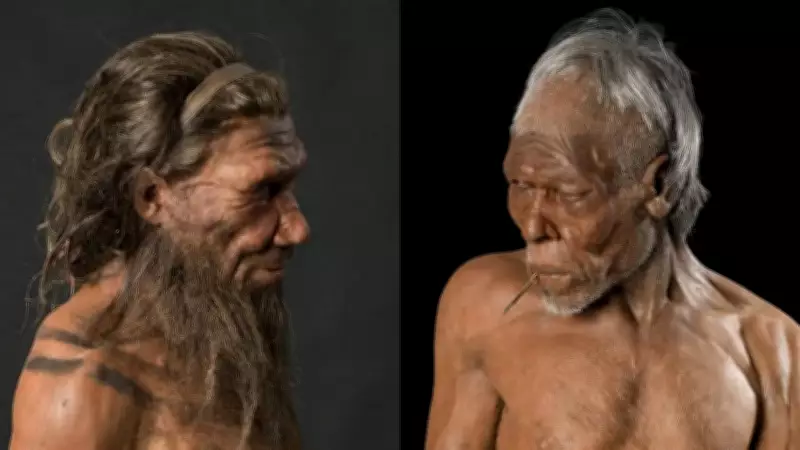
For centuries, Neanderthals have captivated both scientists and historians. Far from the primitive cavemen often depicted in movies and old literature, they were highly intelligent relatives of modern humans who inhabited Europe and parts of Asia for thousands of years. Neanderthals were not only hunters and toolmakers but also controlled fire, cared for the wounded in their communities, and coexisted with modern humans for millennia. This interbreeding explains why many people today carry traces of Neanderthal DNA.
Recent Discoveries Reshaping Neanderthal History
Recent findings have further deepened our understanding of Neanderthals. Researchers studying ancient caves across Europe have uncovered evidence suggesting that Neanderthals may have created symbolic wall markings long before modern humans arrived in those regions. Other discoveries indicate they practiced plant-based cooking and used certain plants for medicinal purposes, showcasing their advanced survival skills. DNA research has also reshaped perceptions of Neanderthal intelligence and behavior. But what truly distinguishes Neanderthals from Homo sapiens?
Physical Features: Neanderthals vs Homo Sapiens
A Neanderthal standing beside a modern human would appear broader-shouldered, stockier, and more rugged. Their bodies were adapted to thrive in extremely cold climates. Studies show that Neanderthals were shorter than Homo sapiens but possessed robust, muscular builds. Their facial structure also differed significantly: Neanderthals had pronounced brow ridges and sloping foreheads, unlike the vertical foreheads of modern humans. Their noses were larger, likely an adaptation to warm cold air before it entered the lungs. Skull shapes varied as well; modern humans evolved rounder skulls and protruding chins, while Neanderthals had long, flat skulls. Fossil evidence indicates Neanderthals had larger front teeth, which they may have used as tools for holding hides or materials.

Why Neanderthals Appeared More Powerful
Although not particularly tall—most stood between 150 and 170 centimeters—Neanderthals were exceptionally robust. They had sturdy, muscular builds with large bones and strong limbs. Compared to Homo sapiens, Neanderthals were clearly stronger and more muscular. Scholars suggest that their short limbs and large bodies helped retain body heat in frigid conditions, an adaptation still seen in some modern populations living in harsh climates. Neanderthals also had broad chests and likely larger lungs than modern humans. Their physical strength and endurance were crucial for hunting large mammals, which required close-quarters combat with thrusting spears, unlike the sophisticated long-range weapons later developed by Homo sapiens.
Surprising Signs of Neanderthal Intelligence
Neanderthals have long been portrayed as primitive and unintelligent, but recent discoveries challenge this view. Evidence shows they cared for sick or injured members, buried their dead, and possibly created symbolic artifacts. Their ability to live in well-structured societies and cooperate was vital for survival. Archaeological research confirms they controlled fire and made relatively complex stone tools. In some locations, they used natural pigments and ornaments, indicating symbolic behavior. There is also speculation about Neanderthal language; their social organization and hunting methods suggest they possessed some form of linguistic capability. While Homo sapiens later developed superior technology, trade networks, and art, the behavioral differences between the two species may not have been as vast as once believed.

Why Homo Sapiens Adapted Better
The most significant distinctions between Neanderthals and Homo sapiens may be non-physical. Homo sapiens gradually gained the upper hand through innovation and organizational skills. They created lighter tools, long-distance weapons, and specialized clothing that allowed them to thrive in diverse environments. They also formed broader social bonds and engaged in large-scale trade, which helped them cope with climate change and food shortages. In contrast, Neanderthals lived in small, isolated communities, making them more vulnerable to diseases and environmental shifts. These factors likely contributed to their extinction. However, there was no complete replacement; humans and Neanderthals interbred multiple times. As a result, a small percentage of Neanderthal genes persist in modern humans, especially those of European and Asian descent.