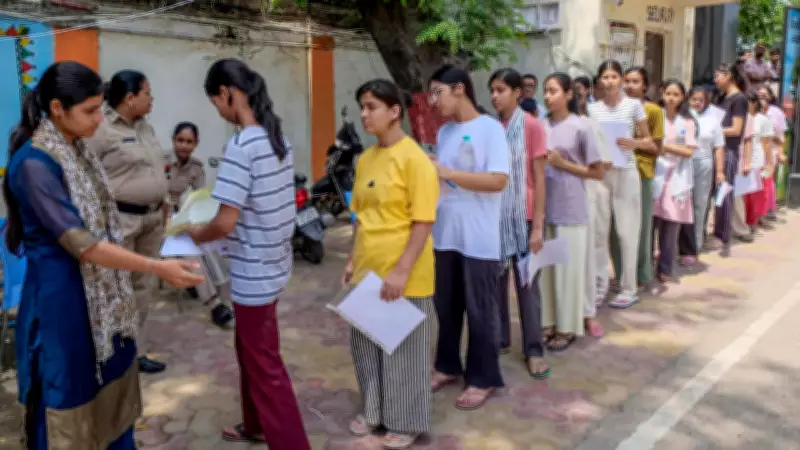
The Indian government has decided to shift the National Eligibility-cum-Entrance Test for Undergraduate (NEET-UG) to a computer-based test (CBT) format starting from the 2027 examination cycle. This decision follows the cancellation of the 2024 pen-paper exam due to allegations of a paper leak. While health and education officials acknowledge that the transition to an online mode is safer than the traditional pen-paper method, they caution that the process may be far more complex than it appears.
Massive Infrastructure Requirements
To accommodate the large number of candidates—approximately 23 lakh appeared for the 2026 exam—the new CBT format is expected to require at least 20 sessions spread across 10 days. This necessitates enormous infrastructure in terms of computers, internet access, and examination centres. Officials noted that a similar plan was shelved nearly a decade ago due to concerns over infrastructure, cybersecurity risks, and clashes with the examination calendar.
“The National Testing Agency (NTA) will work out a plan to expand its exam centre infrastructure for the 2027 test,” said an official. Under the new system, candidates will answer questions directly on computer terminals at designated centres, similar to other national-level entrance exams like CUET and JEE. The syllabus and overall question pattern are expected to remain unchanged initially.

Advantages of CBT Over Pen-Paper Mode
Officials highlighted several advantages of the CBT format. Unlike OMR sheet-based exams, CBT offers stronger protection against physical paper leakage, a much richer digital audit trail, and potentially faster result turnaround. Additionally, like other national exams, CBT provides better control against impersonation.
Health Ministry’s Past Opposition
The health ministry had opposed a similar move in 2018 when the proposal for online, twice-a-year NEET-UG exams was first floated. At that time, the ministry argued that the CBT format could disadvantage students from rural and economically weaker backgrounds due to the digital divide and unequal access to computers and internet infrastructure. The ministry also objected on the grounds that the proposal was announced without formal consultation and expressed concerns that conducting the examination twice a year in CBT format could increase pressure on students rather than reduce it.
Score Normalisation Across Multiple Shifts
On the issue of score normalisation across multiple shifts, an official stated, “Normalisation is already practised for JEE and we have a template for that. However, NTA will also work on it to ensure fairness.”
Manash Pratim Gohain, a seasoned journalist with over two decades at The Times of India, contributed to this report. He has built a rich body of work spanning education policy, politics, and governance.