

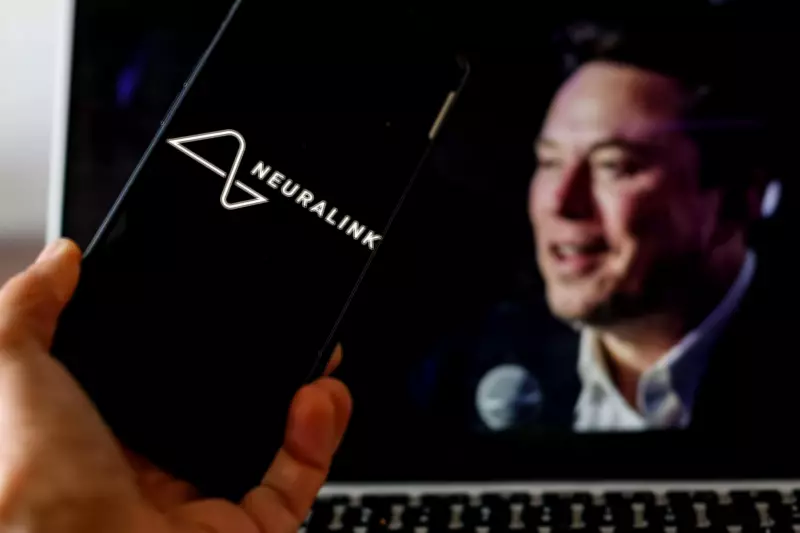
Elon Musk Unveils Neuralink's Speech Restoration Breakthrough
In a significant update, Tesla CEO Elon Musk has announced that his brain-computer interface company, Neuralink, has achieved a major milestone in restoring speech by translating brain activity into audible words. Musk shared this development via a post on the social media platform X, formerly known as Twitter, emphasizing the technology's potential to aid patients with severe disabilities.
Neuralink's Clinical Trial Demonstrates Speech Recovery
Neuralink posted a video on X showcasing the progress of its VOICE clinical trial. The video features Kenneth Shock, an ALS patient who received the N1 implant earlier this year. ALS, or amyotrophic lateral sclerosis, typically robs patients of their ability to walk and talk, but Shock has been able to communicate again thanks to the Neuralink device.
The company explained that its software decodes phonemes, the smallest units of sound, from brain signals. These phonemes are then assembled into words and reproduced in the patient's original voice, offering a personalized communication solution.

How the Neuralink System Operates
The technology works by interpreting neural activity associated with speech and converting it into text, which is then spoken aloud by a computer system. While the current process takes a few moments to decode words, Neuralink aims to achieve real-time translation of brain signals into voice, making communication seamless for users.
Musk highlighted that Neuralink is actively "restoring speech and communication" in real-world scenarios, describing this advancement as a step toward enabling patients to "talk with their minds."
Challenges and Future Prospects
Despite this achievement, Neuralink faces several hurdles:
- Regulatory approval from health authorities
- Long-term safety testing to ensure device reliability
- Ethical concerns regarding neural data privacy and security
The technology remains in the clinical trial phase, meaning widespread availability is still years away. However, this update marks a promising step forward in the field of neurotechnology.
Neuralink's efforts underscore a growing trend in using brain-computer interfaces to enhance human capabilities, particularly for individuals with disabilities. As research continues, the potential applications could expand beyond speech restoration to other areas of healthcare and communication.






