

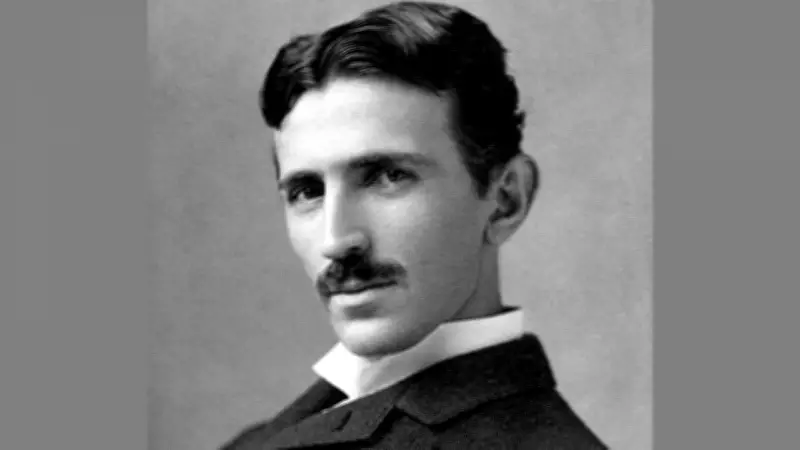
Nikola Tesla: The Visionary Who Redefined Innovation and Original Thought
Nikola Tesla, born in 1856 in what is now Croatia, was not merely a scientist and inventor; he was a visionary whose groundbreaking work fundamentally shaped the modern world. His journey from studying engineering and physics to becoming a pioneer in alternating current (AC) electricity, wireless communication, and industrial machinery laid the foundation for countless technologies we rely on today. Tesla's name endures in units of magnetic measurement, a leading automobile brand, and prestigious awards in science and engineering, cementing his legacy as a titan of innovation.
The Philosophy Behind the Inventor: A Focus on Creativity
Tesla was renowned not only for his inventions but also for his unique perspective on ideas, creativity, and innovation. Many of his concepts were far ahead of their time, and he often witnessed others copying, modifying, or utilizing his work without proper credit. However, his response to this was encapsulated in a famous quote: “I don't care that they stole my idea… I care that they don't have any of their own.” This statement reveals Tesla's deep concern for originality over mere ownership, highlighting his belief that true progress stems from independent thought rather than replication.
Decoding Tesla's Quote: A Call for Original Thinking
When Tesla expressed, “I don't care that they stole my idea…”, he was emphasizing a broader issue: the lack of original thought among those who rely on copying. He valued creativity more than credit, advocating for individuals to develop their own solutions and contribute new knowledge. This perspective suggests that while theft of ideas can be unfair, the greater detriment to society is the stagnation caused by a failure to innovate independently. Tesla's words remind us that questioning, exploring, and creating are essential for advancement.

Applying Tesla's Wisdom in Daily Life
Tesla's philosophy extends beyond the realm of inventors and scientists, offering valuable lessons for various aspects of everyday life. Here are practical ways to incorporate his emphasis on originality:
- Education and Learning: Students can move beyond rote memorization by understanding underlying principles and developing unique problem-solving approaches, fostering critical thinking and innovation.
- Workplace Innovation: Employees can break from routine by proposing new ideas, experimenting with different methods, and encouraging a culture of creativity to enhance productivity and growth.
- Creative Fields: Artists, writers, and musicians can strive to produce original work that reflects personal expression, rather than imitating existing trends, leading to more meaningful and impactful creations.
- Everyday Solutions: In managing tasks like time, finances, or organization, individuals can tailor systems to their specific needs, adapting and improving upon existing methods for better efficiency.
- Personal Growth: Embracing new experiences, learning skills, and challenging oneself fosters self-reliance and confidence, promoting a mindset of continuous improvement and originality.
The Enduring Relevance of Tesla's Message
In an era dominated by rapid technological advancements, science, and global communication, Tesla's quote remains profoundly relevant. Original ideas continue to drive progress, as those who dare to ask “What if?” often pioneer improvements that benefit society. Tesla's legacy teaches us that mere copying does not lead to betterment; instead, it is through imagination, inquiry, and innovation that we achieve meaningful change. This mindset empowers individuals in education, work, science, and daily life to contribute to a forward-moving world.

Who Was Nikola Tesla? A Brief Biography
Nikola Tesla was born on July 10, 1856, in Smiljan, then part of the Austrian Empire and now in Croatia. His father was a priest, and his mother, though unschooled, was inventive, crafting household tools. Tesla's early fascination with science and electricity led him to study engineering at the Technical University of Graz. After working in Europe, he moved to the United States in 1884, briefly collaborating with Thomas Edison before pursuing his own path.
Tesla's development of the AC system revolutionized long-distance electricity transmission, with his motors and transformers becoming integral to modern power infrastructure. He also experimented with radio waves, X-rays, and wireless communication. Despite facing financial struggles and business challenges during his lifetime, and not always receiving due credit for his ideas, Tesla's legacy has grown posthumously. He is now celebrated as one of history's most creative and forward-thinking inventors.
Other Memorable Quotes by Nikola Tesla
Tesla's insights into innovation, imagination, and humanity are captured in several notable quotes:
- “The present is theirs; the future, for which I really worked, is mine.”
- “If you want to find the secrets of the universe, think in terms of energy, frequency and vibration.”
- “The scientists of today think deeply instead of clearly. One must be sane to think clearly, but one can think deeply and be quite insane.”
- “Our virtues and our failings are inseparable, like force and matter. When they separate, man is no more.”
Nikola Tesla's life and words continue to inspire a global audience, emphasizing the power of original thought in driving human progress. His contributions extend beyond tangible inventions to a philosophical framework that encourages creativity and innovation in all spheres of life.
