

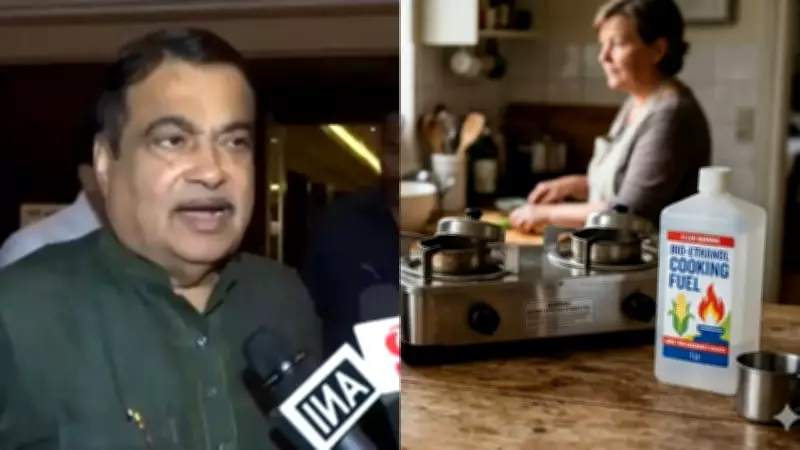
In Indian households, LPG stoves are considered the lifeline of kitchens. From morning breakfast to dinner, most food is prepared on LPG stoves, and rising cylinder prices have been pinching many pockets. Keeping these concerns in view, Union Minister Nitin Gadkari recently unveiled a new ethanol-based stove technology that he claims could make cooking cheaper than commercial LPG cylinders.
What Did Nitin Gadkari Say?
Addressing a public programme in Nagpur, Gadkari said the stove works by mixing ethanol with water to generate a cooking flame. According to him, the indigenous technology could emerge as a low-cost and cleaner alternative to traditional cooking fuels such as LPG and kerosene. Gadkari stated that mixing about 7% ethanol with water can deliver cooking heat cheaper than commercial LPG cylinders. If proven at scale, this ethanol stove could reduce household energy bills and lower dependence on imported fuel.
Ethanol and India
According to reports, India's ethanol blending programme has expanded rapidly over the last decade. Ethanol blending in petrol has reportedly risen from just over 1.5% in 2014 to nearly 20% in 2025, driven by government mandates and investments in biofuel infrastructure. At the programme, Gadkari said that ethanol-water stove technology is not only cheaper than commercial LPG cylinders but is also fully homegrown. He also mentioned that innovations like these can help India reduce fossil fuel imports while promoting cleaner energy solutions.

Why Ethanol Is Being Used
Ethanol is an alcohol-based biofuel produced mainly from sugarcane, maize, and agricultural biomass. It has been proven that ethanol burns cleaner and emits fewer harmful pollutants such as carbon monoxide and unburnt hydrocarbons. It is believed that this technology will lower indoor air pollution, reduce dependence on imported LPG, support sugarcane and corn farmers, and lower cooking costs.
Can Ethanol Stoves Replace LPG?
According to experts, India has an extensive LPG ecosystem. Hence, replacing or even partially displacing LPG would require reliable ethanol supply chains and adoption by consumers who are accustomed to LPG. Gadkari has previously advocated for higher ethanol blending targets, including the long-term possibility of 100% ethanol-compatible fuel systems. Apart from this, the government is also promoting green hydrogen, electric mobility, and compressed biogas.
This article is published by the TOI Lifestyle Desk, a dynamic team of dedicated journalists who sift through the pulse of the nation to curate a vibrant tapestry of lifestyle news for The Times of India readers.






