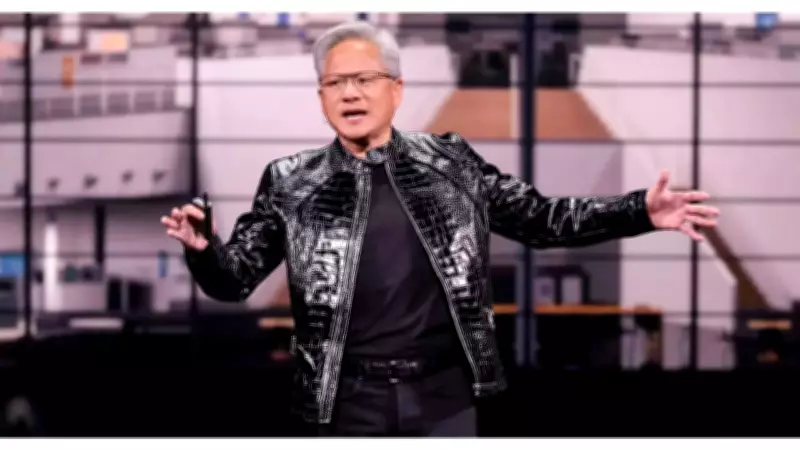
Nvidia CEO Jensen Huang has opened up about the struggles and sacrifices behind building the world's most valuable semiconductor company. In a candid interview on the "How I Built This" podcast with Guy Raz, Huang reflected on years of humiliation, near-bankruptcy, and personal loss. According to a report by Business Insider, Huang admitted that if he had known the pain involved, he would never have started Nvidia again.
Huang's Regret and Emotional Toll
Huang founded Nvidia in 1993 and took it public in 1999. Today, the company commands a market cap of $5.3 trillion and is the driving force behind the AI boom. However, Huang emphasized that the journey was far from glamorous. "Suppose I knew everything then that I now know — how hard it is and all of the pain and suffering and all the embarrassment and humiliation and all the setbacks… The answer, absolutely not," he said. He stressed that many founders understate the emotional toll of building a company because the focus is usually on the final outcome, not the years of struggle.
Stock Collapse and Near-Bankruptcy
During the interview, Huang recalled the mid-2010s when Nvidia's stock collapsed as the company poured resources into CUDA, the software platform that later became foundational for AI. During the 2008 financial crisis, Nvidia's shares fell by 85% from their highs. "It was embarrassing. It was humiliating. You're the only face that everybody hates. Your employees are probably embarrassed for you," he said. Additionally, Nvidia faced existential crises in its early years, including failed chips, layoffs, and near-bankruptcy. In 1996, the company almost went out of business after failing to deliver a graphics chip for Sega, which had invested $5 billion to keep Nvidia afloat.

Personal Sacrifices
Huang also admitted that the toll of business extended beyond the office. He missed many of his children's karate tournaments while balancing nonstop work and graduate studies at Stanford. "I missed a lot," he said, crediting his wife for managing family responsibilities during those years. The CEO said his survival strategy was to focus forward and forget setbacks. "I spent all my time forgetting yesterday. What do they teach athletes? Forget the last point," he explained.
Commitment to Dismissed Ideas
Despite the hardships, Huang said Nvidia's success came from staying committed to ideas others dismissed — particularly the belief that graphics chips could power computing far beyond video games. "I think a lot of people forget the pain and suffering necessary, the endurance necessary to do something great. It is because you're always looking forward and forgetting the past," he added.