For generations, the ocean has been viewed as a wild place, separate from human law and social systems. Holiday families on boating excursions, or looking at the horizon from piers and boardwalks, often see whales as symbols of the natural world. Whales are often seen as creatures to be observed from afar, far removed from court systems and environmental policy debates. Most people think of these behemoths in terms of simply placing animals in protected wild zones or, more minimally, fishing limits that separate humans from the species as much as possible. But some legal advocates say courts are becoming an important arena in efforts to protect marine life.
This trend is growing as existing environmental regulations prove inadequate to protect marine life from modern industrialisation. For years, wildlife regulation focused solely on resource management—deciding how much humans could take before a species could no longer reproduce—but as waters grow increasingly pressured by cargo ships, pollution and the quest for resources, those old models are collapsing. This flaw has led conservationists and local communities to back a more radical proposal: giving the ocean and its inhabitants legally protected natural rights.
A historic bill proposes whale personhood in the Pacific
In order to combat the increasing threats to marine life, the Southern Pacific has undertaken a radical legislative proposal that shifts legal definitions regarding marine mammals. According to the Eco Jurisprudence Monitor in its comprehensive analysis, the New Zealand Tohor Oranga Bill: legal personhood of whales, legislation that has been introduced into parliament, will grant total legal personhood and natural rights to whales, also known as tohor. Introduced by Teanau Tuiono, the Green Party's Member of Parliament, this bill changes the law from one that merely tracks resources into a more biological definition, recognising individual whales' unique identity.

This new legal approach draws on Indigenous principles across the Pacific Ocean. As outlined in the Eco Jurisprudence Monitor report, the legislation builds on He Whakaputanga Moana (Ocean Declaration), a document created by Pacific Indigenous leaders to advocate for ocean protection. The Tohor Oranga Bill will protect whales through the adoption of five rights for the species: right to freedom of movement and migration along historic paths, right to carry out their natural behaviours, right to be free of human-made disturbances, right to the maintenance and protection of social and cultural systems, and right to the integrity of a balanced ecosystem and its continued regeneration.
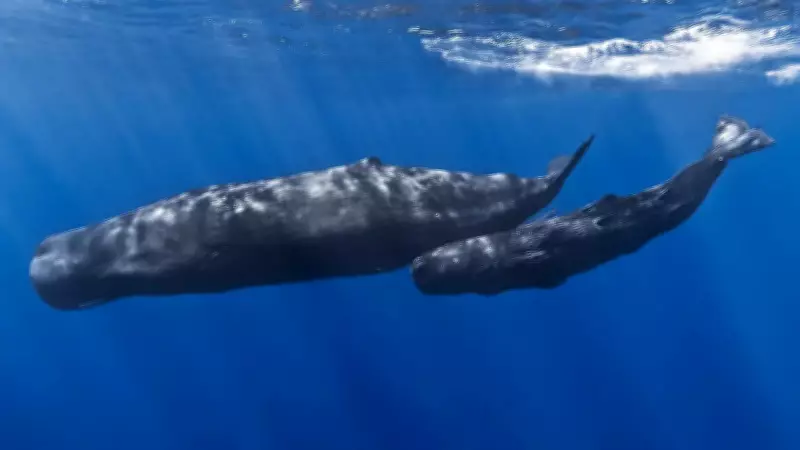
Under this model, institutions should treat whales as beings with inherent worth, not as property or resources. This contrasts with the Atlantic, where economic interests often undermine conservation efforts, leaving vulnerable species at risk. Image Credit: Wikimedia Commons
Atlantic waters offer a contrasting example as protections weaken
While the Southern Pacific is advancing a new approach to whale rights, a different struggle is unfolding off the East Coast of North America. In heavily industrialised marine areas, legal debates over cetaceans often pit ecological concerns against economic interests. Existing regulatory frameworks may fail to protect many of the rarest animals on Earth, especially when industry lobbies for fewer fishing, transport and extraction limits in their habitats.
This international dichotomy of ocean regulation is a key component to understanding the global marine situation, according to the Oceanographic Magazine. The proposed New Zealand bill is highlighted against countries where economic gains undermine ecological conservation efforts. In the United States, discussions surrounding marine conservation are dominated by industrial conflict, in which weakening federal protection acts have placed the country's rarest remaining marine mammals at serious risk. About 51 Rice whales remain in the Gulf of Mexico. This struggle shows how vulnerable species can be when they are defined only by their usefulness. Whether through court rulings in North America or legislation in New Zealand, legal decisions may play a major role in the fate of the world’s largest mammals.