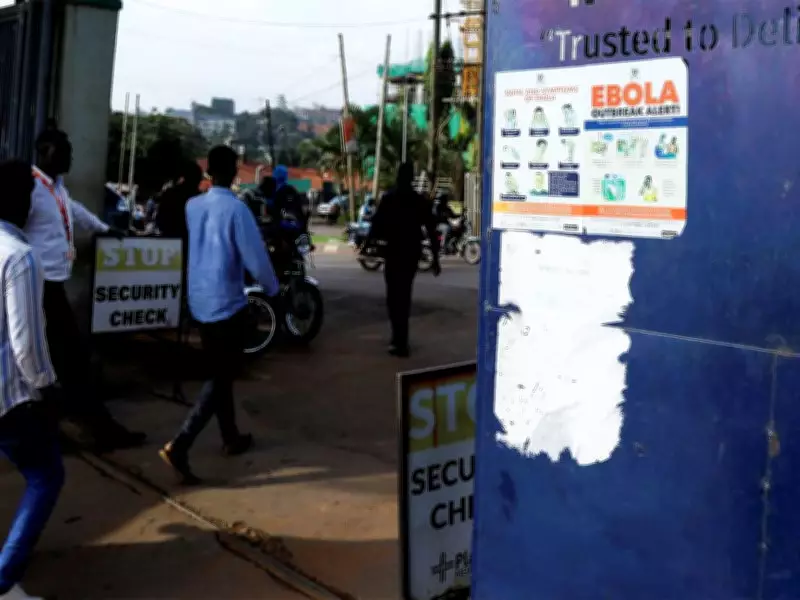
Evian [France], June 16 (ANI): G7 leaders and partner countries, including Egypt, India, Kenya, and the Republic of Korea, on Tuesday called for an urgent and coordinated international response to contain the re-emerging Ebola outbreak in the Democratic Republic of the Congo (DRC) and Uganda. They warned that the disease poses a serious global health security risk and requires immediate action to prevent further cross-border spread.
Leaders Express Solidarity
In a statement adopted at the G7 Summit, the leaders said they were "deeply saddened by the loss of lives and the burden that the disease is inflicting on the affected communities" and expressed solidarity with countries battling the outbreak.
Challenges in Containment
The statement noted that the outbreak is centered in an isolated, conflict-affected area in eastern DRC, complicating containment efforts. It added that "existing vaccines, diagnostics, and therapies are not fully effective on the rare viral strain at issue."

Urgent Goal: Prevent Further Spread
Highlighting the urgency, the leaders said, "Our first goal must be to prevent further spread, both within the affected area in the eastern DRC and to neighbouring countries and other parts of the world."
The G7 stressed that ending the outbreak would depend on "effective contact tracing, infection prevention and control, quarantine and isolation practices, laboratory testing, cross-border preparedness, border surveillance and community engagement."
Pledge of Sustained Support
Pledging sustained support, the leaders said they were "resolved to provide and mobilise support for a coordinated global response to facilitate the development and effective delivery of dedicated vaccines, diagnostics and treatments to fight this outbreak over the next months."
Major Funding Commitments
The statement welcomed major international funding commitments, including:
- The United States' rapid deployment of more than 370 million dollars in health and humanitarian resources for the region, with a commitment to spend up to an additional 500 million dollars on Ebola response efforts, in addition to 650 million dollars in humanitarian support for the Great Lakes region.
- European Union support of 493 million euros in emergency aid, vaccines, treatment, and health security in the Great Lakes and Uganda region, including 84 million euros in immediate humanitarian aid, development, and research funding.
The statement added, "The Continental Preparedness and Response Plan is mobilising 518 million dollars to support African countries in preparing for, rapidly detecting, and responding to the outbreak."
Call for Wider Participation
Calling for wider international participation, the statement said, "We call on other countries and partners beyond the G7 to dedicate resources to tackling this global threat through the means they deem most appropriate."
Support for UN-Led Response
The leaders also backed the UN-led humanitarian response, affirming support for the humanitarian reset led by the UN Office for the Coordination of Humanitarian Affairs and its plan to reach 87 million people with lifesaving aid in 2026.
Risk of International Spread
Highlighting the risk of international spread amid rising global travel, including for the FIFA World Cup in the United States, Canada, and Mexico, the leaders said, "We must ensure that they can do so safely," and pledged stronger coordination on "appropriate and effective travel, quarantine, and isolation procedures" in line with international public health standards.
Impact of Conflict
The statement further noted that "effective public health measures are hampered by ongoing conflict in the eastern DRC," and called on all parties to honour their commitments and fully implement the Washington Accords for Peace and Prosperity and the Doha Framework.
Improved Coordination
The G7 urged humanitarian and health response actors to improve coordination and avoid duplication of efforts, while announcing that the United States will convene a G20 Foreign Ministers' meeting to discuss additional collective action and mobilise broader financial support for the international response to the Ebola outbreak.