

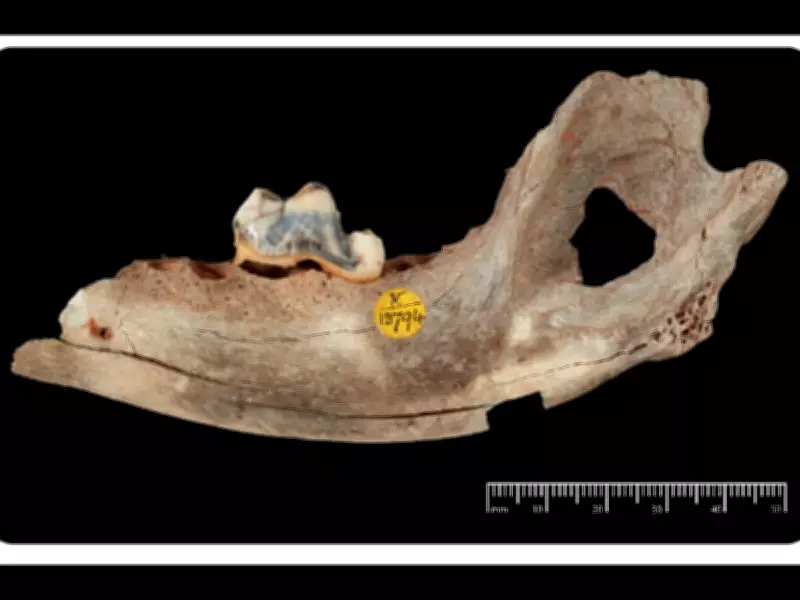
A trio of dog skeletons buried near a human grave in central Turkey nearly 16,000 years ago is reshaping scientific understanding of the earliest relationship between humans and dogs. Two scientific papers published in Nature this March reveal that ancient DNA extracted from canid remains found at Pınarbaşı in central Anatolia has identified dogs dating to about 15,800 years ago, representing the oldest genetic evidence of domestic dogs discovered so far. The findings suggest humans were forming unusually close relationships with dogs millennia before the rise of farming.
Buried Beside Humans
What makes the dog remains particularly striking is their location alongside human remains. At Pınarbaşı, hunter-gatherer remains were uncovered within a rock-shelter site, and three dog skeletons were deliberately buried above a human grave within the rock shelter. These appear to have been of significant importance to the site's occupants. The researchers state in the Nature study 'Dogs Were Widely Distributed Across Western Eurasia During the Paleolithic' that canids received treatment at least comparable to that of the people buried at the site and may have had social or symbolic importance. Their food, analyzed using isotope analysis, consisted partly of fish, the main component of the human diet in the area, suggesting they shared food resources with humans and may have been provisioned by them. The dog's dietary range was also similar to that of humans, and Baird suggests the dogs may have assisted in hunting wild sheep and aurochs, the large wild cattle hunted in the region, as well as providing protection against predators like wolves and leopards roaming the landscape.
Ancient DNA Pushes Timeline Back
For years, the age of dog domestication was questioned and debated. Remains suggesting dogs had already separated from wolves have been found on various sites across Upper Palaeolithic Europe, but there has been a notable lack of direct genetic evidence to support these claims until now. Nuclear and mitochondrial genomes retrieved from canid remains discovered at Pınarbaşı can be dated to 15,800 BP (before present). This is the oldest verified genetic evidence of dogs available and has provided the earliest genetic confirmation of domestic dogs yet discovered. These findings, published in Nature by William A. Marsh and colleagues, suggested that at least one lineage, closely related to dogs present on the same continent, was already spread across Europe and Anatolia at this time.

From Turkey to Britain
Even more interestingly, a high degree of genetic similarity has been shown between the Anatolian dogs and remains found on one of the most important prehistoric sites in the UK, Gough's Cave in Somerset. Researchers found these canine samples were surprisingly closely related, indicating that closely related dogs had spread across large parts of western Eurasia by this period. The study found that dogs were already widely distributed across Europe by at least 14,200 years ago and that different dog populations appear to have mixed as they spread among hunter-gatherer groups. These canine populations may have been transmitted between separate hunter-gatherer communities and mixed together at different times, helping to explain their common ancestry.
A Friendship Older Than Farming
These new findings suggest that dogs moved between people from genetically and culturally disparate communities of hunter-gatherer groups all over Western Eurasia, through the sheer usefulness of canines and through a strong socio-symbolic bond, at a time thousands of years before the emergence of domesticated sheep and cattle. It seems that these early dogs were already of benefit to mankind through hunting, guard duties, perhaps also for companionship, and have influenced our ancestry for many millennia. The study suggests that dogs from this Anatolian lineage contributed ancestry to later European dog populations.






