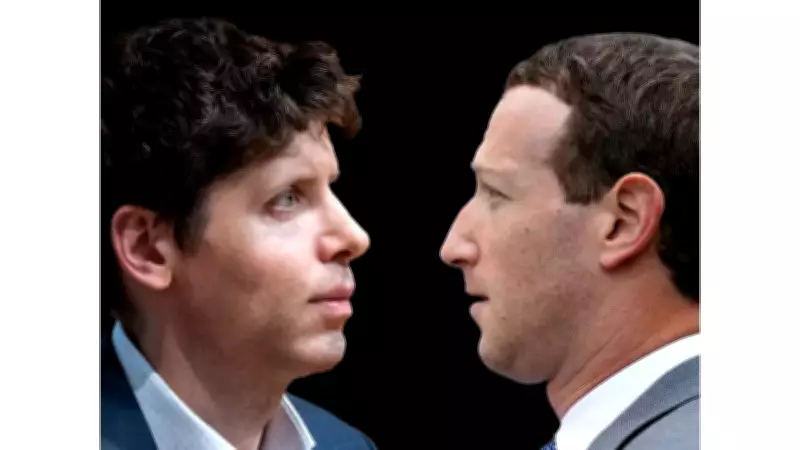
ChatGPT-maker OpenAI has helped hundreds of employees become multimillionaires by allowing staff to sell large portions of their shares in a recent financing round. However, the scale of payouts may reportedly owe as much to Meta CEO Mark Zuckerberg and the growing AI talent war as to OpenAI's own rise.
The competition for AI talent reportedly intensified last year after Meta offered compensation packages worth up to $300 million to some AI researchers. That pressure has prompted companies like OpenAI to increase salaries, bonuses and stock-based compensation to keep employees.
More than 600 current and former OpenAI employees sold about $6.6 billion in shares in October 2025, the Wall Street Journal reported, citing people familiar with the matter. Some 75 employees each sold the maximum allowed $30 million, according to the reports. The sale marked the first opportunity for many employees who joined after ChatGPT's launch to cash out, as OpenAI required workers to wait 2 years before selling their shares.

How the Meta-led AI talent war is reshaping compensation in OpenAI
The explosive growth in employee wealth goes hand in hand with the cutthroat competition for AI researchers and engineers across Silicon Valley. Some technical jobs at OpenAI are currently offering annual salaries above $500,000 plus large equity packages, according to company listings. The company also issued one-time bonuses to certain employees last year, with some payouts reportedly worth millions of dollars.
The broader AI hiring race has created a compensation environment unlike previous tech cycles, where non-founder employees are seeing substantial wealth creation even before public listings. Unlike earlier technology booms, where startup employees often had to wait until after an IPO to access their stock value, OpenAI workers have been able to sell shares while the company remains private.
OpenAI increased the employee share-sale cap from $10 million to $30 million during the latest tender offer after strong investor demand. Tender offers allow employees to sell portions of their holdings to outside investors without waiting for a public market listing.
The company's latest financing round reportedly valued OpenAI at around $852 billion. Employees who received shares when OpenAI first introduced equity roughly seven years ago have seen the value of those holdings rise more than 100-fold.
Despite OpenAI employees benefiting from the company's soaring valuation, CEO Sam Altman has repeatedly said he does not personally own OpenAI shares because of its nonprofit status. Meanwhile, OpenAI president Greg Brockman recently testified in court that his equity stake in the company is worth about $30 billion.
Investors are also closely watching the ongoing legal dispute involving Altman and Elon Musk over OpenAI's restructuring efforts, which could influence whether Altman eventually receives equity if the company transitions further toward a for-profit structure.