

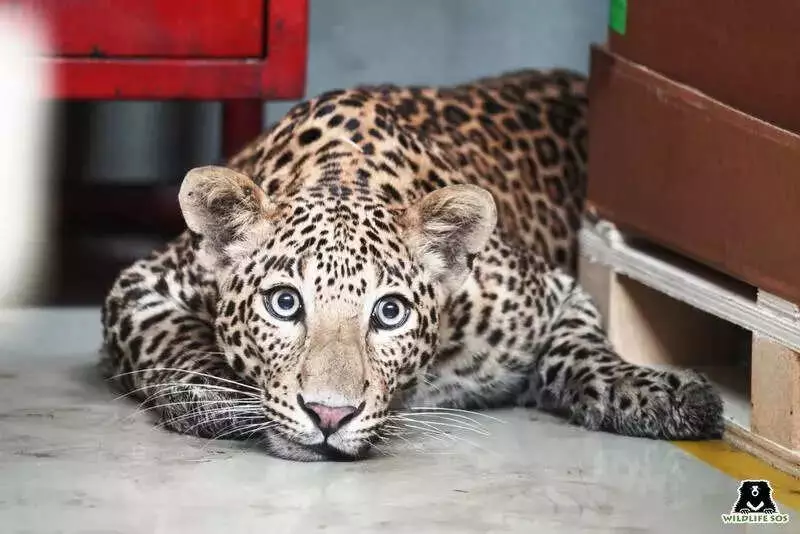
The recent appearance of a leopard in the upscale neighborhoods of Aundh and near Pune University set off a chain of events that perfectly captured the city's unique character. What began as a serious safety concern, prompting official advisories from the forest department, quickly morphed into a digital carnival of humor and creativity, with the elusive big cat becoming an unlikely internet celebrity.
From Panic to Podcasts: The Birth of Bibtya
Initial reports of the leopard, locally known as a 'bibtya' in Marathi, caused genuine alarm among residents. However, as the first wave of anxiety subsided, Pune's social media landscape did what it does best—it turned the situation into a joke. The feed was soon flooded with memes, parody interviews, and AI-generated videos, transforming the wild animal into a relatable city dweller with everyday problems.
One of the most popular creations was a mock podcast by content creator Anirudh Patil. It featured an AI-generated leopard explaining its reasons for visiting Pune. In the clip, the bibtya claimed it had only come to the city briefly to search for a 2BHK apartment but got permanently stuck due to the infamous Hinjewadi traffic. It complimented Pune's pleasant weather and good vibes, even mentioning plans to bring relatives from nearby regions to settle down.

"The Hinjewadi traffic angle was accurate. Half my office was sending the meme to each other," said Swapnil Kulkarni, an IT professional working in Hinjewadi. "At that point, the bibtya felt less like a wild animal and more like one of us — reshaping life plans around traffic movement."
Imaginary Backstories and Civic Jabs
The meme ecosystem deepened with another viral AI video by creator Aditya Kakodkar. This narrative gave the leopard a detailed backstory, suggesting it was originally from Pune's rural areas (Pune gramin) and was forced to migrate to the city after builders took over farmlands. Lured by reports from city-dwelling cat relatives about being pampered and fed like royalty, the leopard came looking for work. The video cleverly noted the animal was avoiding the Navale Bridge, a spot notorious for accidents and gridlocks.
"That kind of an understatement is pure Puneri patya at its best," remarked real estate agent Aniket Deshpande, highlighting how the humor tapped into shared local experiences.
Influencer Viren Ladkat added to the trend with a tongue-in-cheek video suggesting that residents had upgraded their nightly offerings for stray dogs from chapatis to chicken bits, just in case the bibtya paid a visit.
Comedy Mirrors a Serious Reality
While the online response was overwhelmingly humorous, it also held up a mirror to pressing urban and environmental issues. The memes inadvertently highlighted the serious reasons behind such wildlife intrusions.
"There was a meme about the leopard's preference for street food over jungle food," said college student Samiksha Agarwal. "Intended to be funny, it raised uncomfortable questions about why a wild animal is searching for food in trash. It shows how forests have shrunk, prey has disappeared and construction has outpaced planning. That meme summed up the cost of unchecked development better than any number-heavy report."
The entire episode followed a classic Pune arc: initial concern, a flood of WhatsApp forwards (many unverified), official cautions against misinformation, and finally, the city's signature coping mechanism—witty, self-referential comedy. Bibtya, the digital leopard, remains a lasting online presence, a humorous yet poignant symbol of the pressures of space, speed, and survival in a rapidly expanding metropolis.






