History remembers rulers often for their wars, political reforms, royal ceremonies, and powerful speeches. Yet sometimes a single quiet sentence reveals more about a person than years of official records. Queen Victoria, upon becoming queen, reportedly said, "Then, dear Mamma, I hope you will grant me the first request I make to you, as Queen. Let me be by myself for an hour." This quote has endured through generations because it unveils an unusually human moment behind the crown.
The Moment Victoria Became Queen
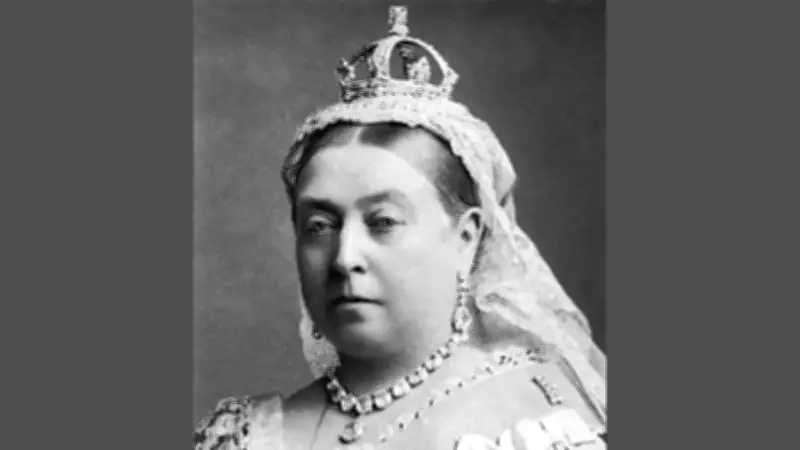
In 1837, when King William IV died, Victoria, only 18 years old, suddenly became Queen of the United Kingdom. She was asleep in Kensington Palace when officials arrived early in the morning to deliver the news. Her entire life changed forever in that instant. The young queen, hemmed in by royal expectations, political pressures, court traditions, and public scrutiny, asked for something surprisingly simple: to be alone for an hour.
The British monarchy at the time carried immense political and symbolic weight. Britain was growing into one of the most powerful empires in the world, and Victoria found herself at its center before she was even 19. On the surface, her request for solitude seems minor, but historians often view it as a sign of emotional maturity and self-awareness. She did not react dramatically; instead, she paused and absorbed the reality.

Why This Quote Still Feels Deeply Human
This quote resonates universally because it captures a common emotional response to major life changes. People often seek silence before speaking or acting, whether starting a new job, losing someone important, becoming a parent, receiving unexpected news, or facing a major responsibility. Victoria's request reflects those same instincts. It also shows vulnerability. Public figures, especially monarchs, are expected to appear confident and composed at all times. Victoria's plea suggests that processing emotion is a natural human response, even for those with immense power. Modern readers appreciate this reminder that strength does not always come in loud or dramatic forms; sometimes it lies in quiet reflection.
Victoria's Early Life Shaped Her Personality
Victoria's childhood was challenging. She grew up under the restrictive Kensington System, where her mother and advisers controlled much of her daily life. She was seldom given privacy, independence, or freedom to make her own decisions. Historians describe her formative years as isolated and emotionally restrained. In this context, her plea to "be by myself for an hour" becomes all the more poignant. It was not simply about silence or rest; it reflected her wish for independence at the very moment she finally gained power as queen. The statement was as much a personal turning point as a political one.
The Emotional Pressure of Becoming Queen at 18
Today, coming of age is often linked to independence and adulthood. For Victoria, it meant becoming the ruler of a vast empire with millions of subjects across continents. She suddenly faced responsibilities involving government decisions, diplomacy, public appearances, constitutional issues, and national stability. Historical records suggest Victoria understood the gravity of her position from the beginning. She was young but quickly developed a strong sense of duty. Her famous request to be left alone reveals the emotional intensity of the moment. She did not celebrate immediately; she needed privacy to absorb the enormity of her new role. That emotional honesty is why the quote remains memorable almost two centuries later.

How Queen Victoria Changed the British Monarchy
Victoria later became one of the longest-reigning monarchs in Britain, ruling from 1837 to 1901. The Victorian period was marked by industrial development, scientific discovery, railway proliferation, cultural growth, and imperial expansion. Britain's influence expanded rapidly during this era. Victoria also transformed the image of the monarchy. Earlier monarchs were seen primarily in terms of politics and royal power. Victoria gave the institution a more personal and family-centered image. Her marriage to Prince Albert and her role as a mother shaped public perceptions of royalty. Many historians believe this helped bring the monarchy and ordinary people closer together. The contrast between Victoria's writings and her public role often revealed a deeply emotional and reflective personality.
The Importance of Solitude in Moments of Change
Victoria's quote alludes to a deeper human need for solitude during important life transitions. Psychologists and historians note that reflection aids in processing emotional transitions. Quiet moments allow people to understand fear, responsibility, uncertainty, and change before facing public expectations. This emotional process was part of Victoria's instinct to pause privately before beginning her duties. Many people feel this way in modern life as they move into new phases. Thus, the quote seems timeless, capturing an emotional truth rather than merely a historical event.
Why Historians Still Discuss This Famous Royal Quote
Many royal quotes are political or about power and leadership. What makes Victoria's statement unique is its simplicity. Historians frequently quote it because it reveals personality rather than authority. It shows a young woman suddenly weighed down by the burden of a nation, yet still needing a moment of emotional space. The quote helps humanize historical figures often seen only through ceremonies, portraits, and political records. Victoria's plea reminds readers that behind crowns and titles are human beings struggling with fear, responsibility, uncertainty, and emotion like everyone else.
Victoria's Personal Life: Joy and Grief
Victoria's reign was politically momentous and emotionally complicated. Her marriage to Prince Albert was one of the defining relationships of her life. She wrote extensively about her love for him and depended on his support. Albert's death in 1861 was a devastating tragedy. Victoria entered a long period of mourning and withdrew from public life for years. Her personal writings and letters reveal emotional depth, sensitivity, attachment, loneliness, and honesty—a side contrasting with the rigid public image often associated with monarchy. Because of that emotional honesty, her famous quote still feels genuine, not like a ceremonial gesture.
The Lasting Cultural Impact of Queen Victoria
Queen Victoria remains one of the most recognizable monarchs in world history. The Victorian era affected architecture, literature, politics, fashion, science, and social customs throughout Britain and beyond. Today, the word "Victorian" evokes a whole historical era defined by immense change. Her long reign helped stabilize the monarchy during times of social and industrial transformation. Many historians see her as key to modernizing the public image of the British royal family. Yet for all her historical importance, one of her most quoted lines is a simple, personal plea for privacy.
Why Queen Victoria's Words Still Matter Today
The power of Victoria's quote lies in its capture of a deeply human experience hidden within a historic royal moment. It reminds readers that even the most powerful public figures can feel overwhelmed during life-changing events. Her desire for solitude was not a sign of weakness but of emotional intelligence, awareness, and the need to process responsibility internally before stepping into public duty. In a world that often prizes constant activity, public performance, and instant response, Victoria's words carry a quieter message: sometimes you need silence before you can move forward. More than 180 years later, the quote still speaks—not just about monarchy but about human emotion itself.