The Discovery That Sparked a Debate
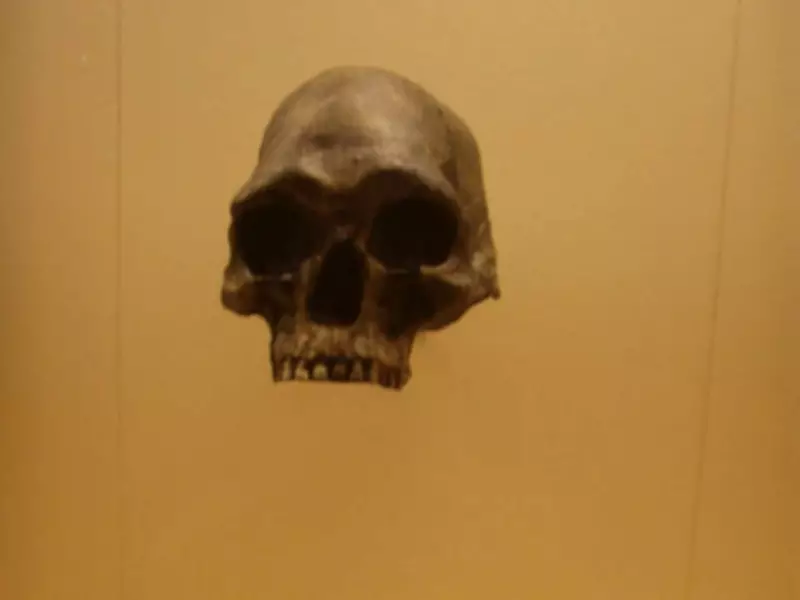
It all began with a serendipitous find by a local farmer in Queensland during the 1960s. The remains, now attributed to the famous Kow Swamp fossil collection, looked dramatically different from what most people at the time envisioned for early human specimens. In the initial stages of research, some scientists even claimed that the large features indicated archaic traits of ancient humans, including those of Homo erectus.
Archaic Features or Misinterpretation?
According to a research article available through PubMed, the fossils became central to discussions about whether some early Australians retained what researchers described as “archaic” characteristics. The study notes that wide faces, prominent brow ridges, and low cranial vaults led to speculation that these individuals might belong to an older human species. What made the debate even more contentious was that it extended beyond the discovery itself to the methods of interpretation.
Why Did the Skull Look So Unusual?
The PubMed review on the Kow Swamp material reveals that later researchers warned the unusual skull shapes might not indicate archaic ancestry at all. Instead, some proposed that the bones could be the result of artificial cranial deformation, where the skull is altered during youth due to external pressures. This turned the entire debate around. The skull might have appeared primitive without actually belonging to a different human species. Other characteristics, such as heavy brow ridges or wide facial structure, could also be due to natural human variation. The significance of the Kow Swamp findings was that they demonstrated how easily dramatic anatomical features could be misinterpreted, leading to a shift in thinking where scientists felt the need to consider other aspects beyond visual observation.

Bone Studies Complicated the Archaic Theory
One of the strongest arguments against the archaic-human model came from studies of the bones beneath the skull. As stated in a PubMed article, a comparison of the femurs from Kow Swamp revealed no characteristics associated with the ancient form Homo erectus. On the contrary, the femurs matched those of modern humans, Homo sapiens. This point was crucial because the argument did not focus on a single feature but instead considered the entire body. If these individuals truly belonged to an archaic human group, scientists would have expected to find primitive traits throughout the skeleton. Thus, the discovery supported the opinion of many paleoanthropologists regarding the variability of skull shapes.
Genetics Added Another Layer
Research on ancient DNA opened up another approach. As reported, genetic data extracted from the bones of ancient Australians did not confirm the claim that isolated populations of archaic humans lived in Australia. While some fossils had sturdy morphology, the genetic data indicated the presence of anatomically modern humans, not descendants of a Homo erectus-like population. This is particularly significant because genetics provided information independent of skull morphology. Not all fossils preserve DNA, but even those that did have been unable to prove anything different from the discussed claims.
The Wider Debate Over Australia’s Early Populations
The Kow Swamp fossils were important due to their relevance to a broader question about the origins of the first Australians. As highlighted in another article, some scholars claimed that robust Australian fossils were related to archaic Southeast Asians. On the contrary, other scholars suggested that these fossils were still part of the larger history of modern human spread from Africa. Gradually, the tide of evidence pointed to the second theory. Genetic research available on PMC shows that Aboriginal Australians and New Guineans share a common ancestry, stemming from an early Paleolithic colonization of Sahul. Genetic data suggest no evidence of surviving archaic lineages in these populations.

Why the Discovery Still Matters Today
The importance of the Queensland skull does not lie in confirming the presence of non-modern humans in Australia, but in how scientific interpretation changes over time. While the fossils themselves gave reason for bold claims, anatomical evidence, cultural reasoning, and genetic data have since led scientists to a more conservative view. Today, Kow Swamp fossils are recognized as one type of variation among early modern humans. By challenging assumptions about what makes a human specimen distinct, the Queensland skull contributed greatly to paleoanthropology. Overall, its importance lies in the very idea of scientific correction.