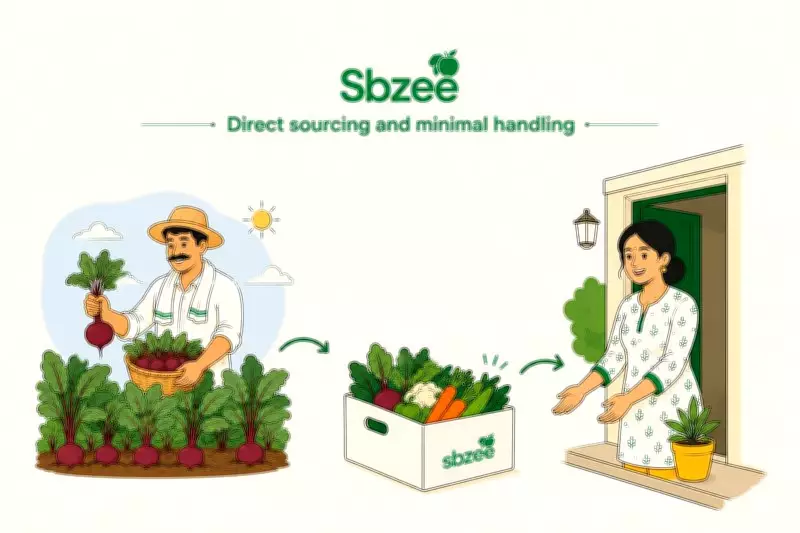
Understanding the Core Difference
In the competitive retail landscape, SBZee has drawn a clear line between two often-confused concepts: product availability and freshness. While availability ensures that products are on the shelves, freshness guarantees that they meet quality standards. This distinction is vital for both retailers and consumers.
The Importance of Freshness
SBZee emphasizes that freshness is not just about expiration dates. It involves the entire supply chain, from sourcing to storage. Fresh products retain their nutritional value, taste, and appearance, leading to higher customer satisfaction. Retailers focusing on freshness can build trust and loyalty.
Product Availability Challenges
On the other hand, product availability is about having items in stock when customers need them. Stockouts can lead to lost sales and frustrated shoppers. However, SBZee warns that prioritizing availability over freshness can result in stale or damaged goods, harming the brand's reputation.

Strategies for Balancing Both
SBZee recommends a data-driven approach to manage inventory effectively. By analyzing sales patterns and shelf life, retailers can optimize stock levels without compromising freshness. Technologies like IoT sensors and AI can monitor product conditions in real time.
Consumer Education
Educating consumers about the difference can also help. When shoppers understand that a product's availability does not guarantee its freshness, they make more informed choices. SBZee suggests clear labeling and transparency in supply chain practices.
Conclusion
In summary, SBZee's insights highlight that while product availability is essential, freshness is the true driver of customer satisfaction. Retailers must strike a balance to succeed in today's market.