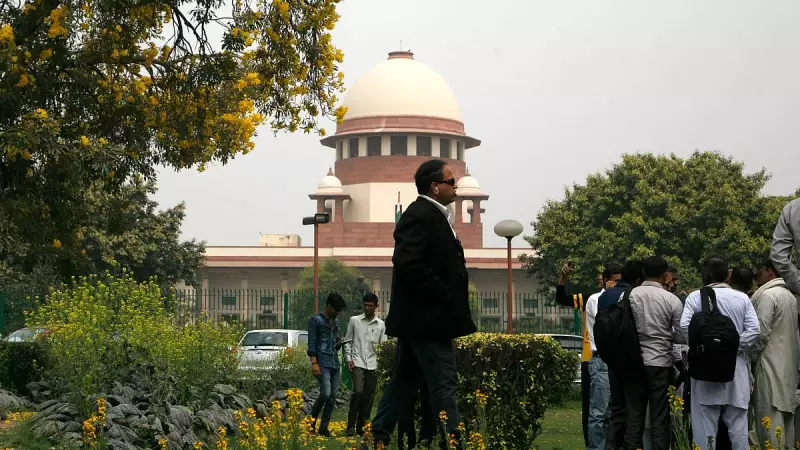
In a significant development, the Supreme Court of India has declined to entertain a Public Interest Litigation (PIL) that sought judicial intervention to regulate the use of Artificial Intelligence (AI) within the country's judicial system. The apex court, however, acknowledged the validity of the concerns raised and provided an alternative pathway for the petitioner to contribute to the discourse.
Court's Stance: Valid Concerns, Not Judicial Action
The bench, led by the Chief Justice of India, heard the plea which highlighted potential risks and ethical dilemmas associated with the integration of AI tools in legal processes. While the court agreed that the issues brought forward were substantial and warranted attention, it concluded that they were not judicially actionable at this stage through a PIL mechanism.
The Chief Justice explicitly stated that the concerns regarding AI in the judiciary were legitimate. This recognition underscores the court's awareness of the transformative yet complex nature of AI technology and its implications for justice delivery, transparency, and potential biases.

An Invitation for Administrative Recommendations
Instead of issuing judicial orders, the Supreme Court took a proactive administrative step. The Chief Justice invited the petitioner to submit detailed suggestions and recommendations directly to the Supreme Court on the administrative side. This move indicates the court's openness to structured, expert input on framing guidelines or policies for AI adoption in legal functions.
By opting for this route, the court has effectively shifted the focus from a broad judicial directive to a more consultative and internal administrative process. This allows for specialized deliberation on the technical and ethical framework needed for AI in the judiciary.
Implications and the Path Forward
The decision, dated 05 December 2025, sets a notable precedent. It reflects the judiciary's cautious approach towards intervening in a rapidly evolving technological field without a concrete regulatory or policy foundation. The court's response balances the need for oversight with the practical challenges of crafting such regulations prematurely.
The key outcomes of this hearing are:
- Recognition of AI's Impact: The Supreme Court formally acknowledged the significant concerns related to AI use in courts.
- Alternative Engagement: It opened a direct channel for stakeholders to contribute to policy formation administratively.
- Judicial Restraint: The ruling demonstrates the court's view that not all emerging technological issues require immediate judicial legislation, especially when administrative solutions are possible.
This development is likely to encourage legal experts, technologists, and policymakers to collaborate and present comprehensive recommendations to the Supreme Court's administration. The focus will now be on creating a balanced framework that harnesses AI's efficiency while safeguarding judicial integrity, fairness, and fundamental rights.