

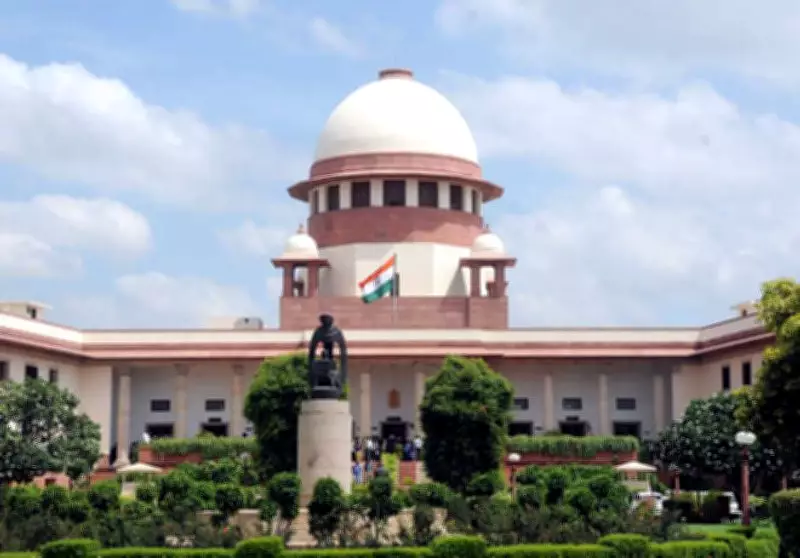
The Supreme Court of India has released draft 'Regulations for Use of Artificial Intelligence (AI) in Courts,' outlining permissible and prohibited uses of AI in the judiciary. The draft emphasizes that 'no judicial outcome shall be reached through Algorithmic Decision-Making alone.'
Key Provisions of the Draft
The Artificial Intelligence Committee of the Supreme Court has proposed allowing AI tools in areas such as case management, including identification of defects in new filings, cause list preparation, hearing scheduling, and docket prioritization. The regulations aim to govern the use of AI grounded in principles of human primacy, transparency, accountability, data protection, and judicial independence.
Scope of Application
The draft regulations apply to the use, deployment, or integration of AI in any judicial, adjudicatory, or administrative function of the Supreme Court, High Courts, and all courts, including tribunals and statutory commissions performing adjudicatory functions within India.

The top court has invited comments and suggestions from stakeholders and the general public by June 20, in a move to modernize the legal landscape while safeguarding judicial integrity.
Related News: Medical Colleges Not Paying Stipends
In a separate development, the National Medical Commission (NMC) informed the Supreme Court that seven out of 756 medical colleges in the country have not been paying stipends to interns, junior residents, or senior residents. Show-cause notices have been issued to these colleges. The NMC counsel told a bench of Justice Aravind Kumar and Justice PB Varale that there is no dispute regarding stipend payments from 573 colleges, while 176 medical colleges were established recently. The bench appointed advocate Charu Mathur as a nodal counsel and posted the petition for hearing on August 24.






