

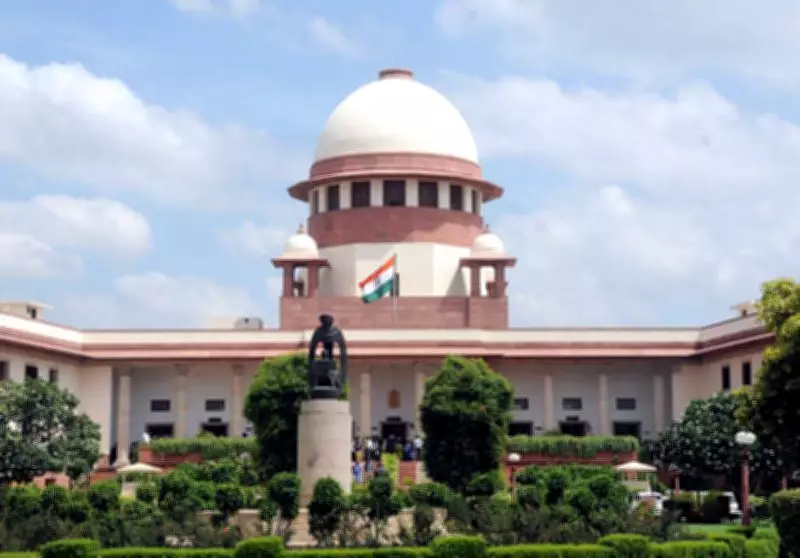
The Supreme Court of India has issued comprehensive guidelines regarding the psychological or psychiatric evaluation of minor children in custody, visitation, and parental-access disputes. A bench comprising Justice Sanjay Karol and Justice N Kotiswar Singh emphasized that children cannot be treated as mere evidentiary objects and that their psychological evaluation should not be ordered routinely to satisfy the competing claims of estranged parents.
Key Directions from the Supreme Court
The apex court modified a Bombay High Court order and set aside key directions that had allowed a four-member panel of psychologists and experts to evaluate a girl whose father faces allegations under the Protection of Children from Sexual Offences (POCSO) Act. The verdict prioritizes the child's wellbeing over standard legal procedures, recognizing that frequent or unnecessary testing can exacerbate the emotional strain on children already coping with parental separation or conflict.
Writing the judgment for the bench, Justice Singh stated: “We have also examined the provisions of the POCSO Act, which proceeds on the fundamental premise that a child who has allegedly suffered sexual abuse must not be exposed to processes capable of causing further emotional harm, immolation, or secondary victimisation. Keeping that in mind, we have felt that minimum intrusion to the child’s life should be the norm, as acting as parens patriae for the child, we have to be more careful when we direct any kind of examination of the child.”

Pre-Assessment of Parents Required
Before ordering a psychological assessment of a child, family courts must first appoint an expert to assess the mental state of both parents, particularly the parent who currently has custody. If the expert opines that the child’s evaluation is unnecessary or potentially harmful, it must not be conducted. This step ensures that the child is not subjected to invasive procedures unless absolutely necessary.
Periodic Review and Safeguards
The Supreme Court also directed family courts to periodically review the need for any psychological assessment, noting that a growing child’s psychological needs may evolve over time. Parties are granted liberty to seek modification of custody and visitation arrangements as circumstances change. The court introduced safeguards to ensure transparency and accountability, mandating that family courts have information about any pending proceedings under the POCSO Act involving the parties, which affects decisions on child custody and visitation rights.
The court took note of expert opinion from the National Institute of Mental Health and Neurosciences (NIMHANS) on mental health challenges and maladjustment in children due to parental conflict. The guidelines aim to protect children from secondary victimisation and ensure that their best interests remain paramount in legal proceedings.






