Indian Scientists Unlock Secrets of Ancient Farming Through Pollen Analysis
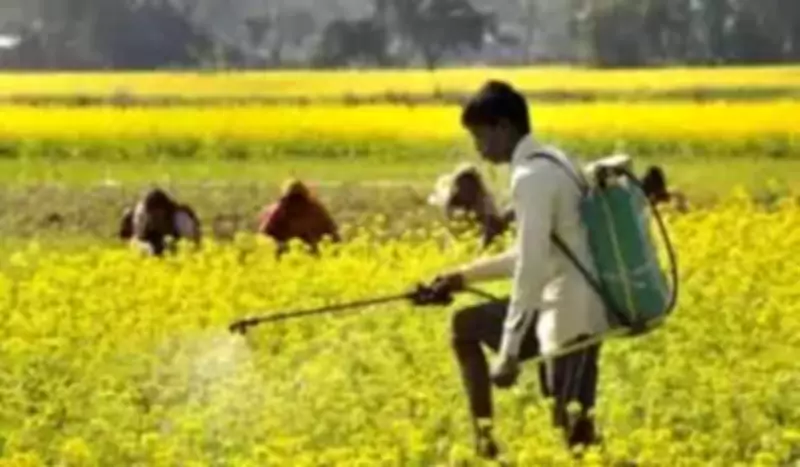
In a groundbreaking development, Indian scientists have successfully decoded the origins of farming that date back thousands of years, leveraging the power of microscopic pollen grains. This innovative research enables precise differentiation between pollen from essential crops such as wheat, rice, millets, and maize, and that from wild grasses, based primarily on size measurements.
Revolutionizing Studies of Ancient Human Settlements
The discovery is set to transform the study of ancient human settlements and agricultural activities in the Central Ganga Plain, a region widely recognized as India's primary food basket. Published in the esteemed international journal Sage, the study is led by senior scientist Swati Tripathi from the Birbal Sahni Institute of Paleosciences in Lucknow, in collaboration with a team of experts including Arti Garg, former senior scientist from the Botanical Survey of India in Prayagraj, Arya Pandey, Anupam Sharma, Priyanka Singh from the Indian Institute of Geomagnetism in Mumbai, and Anshika Singh from the department of botany at Lucknow University.
The Science Behind Pollen Analysis
Pollen grains, which are minuscule particles released by plants, possess a durable outer layer that allows them to endure for millennia when buried in soil and river sediments. Scientists engage in palynology, the study of these fossil pollens, to reconstruct historical environments, climate patterns, and human activities. A critical aspect of this field is the identification of anthropogenic marker pollen—pollen derived from crops or other plants associated with human influence—which serves as a direct indicator of ancient human impact on landscapes.

Previously, Indian researchers relied on European standards to distinguish between cereal and non-cereal pollen, a method that often proved unreliable in the Indian context. This new study establishes a homegrown benchmark, grounded in data specifically from the Ganga Plain, thereby enhancing the accuracy of pinpointing early farming practices in India.
Advanced Techniques and Key Findings
The research team meticulously examined 22 species of grasses, comprising eight cereals and 14 wild grasses, utilizing advanced microscopic techniques such as light microscopy, laser-based confocal microscopy, and high-resolution electron microscopy. They focused on two crucial biometric measurements: the overall pollen grain size and the diameter of the annulus, a ring-like structure on the grain.
The study defined a clear paired biometric threshold: cereal pollen consistently exhibits a grain diameter exceeding 46 micrometres and an annulus size greater than 9 micrometres, with the exception of pearl millet, which has smaller dimensions. In contrast, wild grasses display smaller sizes overall.
Beyond size, the scientists also analyzed the surface patterns on the pollen grains, which provided additional insights into plant species and the environmental conditions during their growth. Collectively, these findings create a comprehensive reference dataset that facilitates the identification of fossil pollen up to the species level, empowering researchers to trace the emergence of agriculture and settlement activities over the past 10,000 years with unprecedented accuracy.
Implications for Future Research
Swati Tripathi emphasized the significance of this discovery, stating, "This discovery will significantly improve the accuracy of studies on ancient agriculture, land use, and human impact on ecosystems. It will also help archaeologists and environmental historians understand how humans gradually transformed the fertile plains of the Ganga into a major agricultural hub."
In simpler terms, as Arti Garg adds, these tiny pollen grains are now instrumental in unveiling the narrative of India's agricultural beginnings, offering a powerful lens into the region's past and illustrating how human societies have shaped the landscape across millennia.
This research not only advances scientific understanding but also holds promise for informing contemporary agricultural practices and environmental conservation efforts, bridging the gap between ancient history and modern-day challenges.