

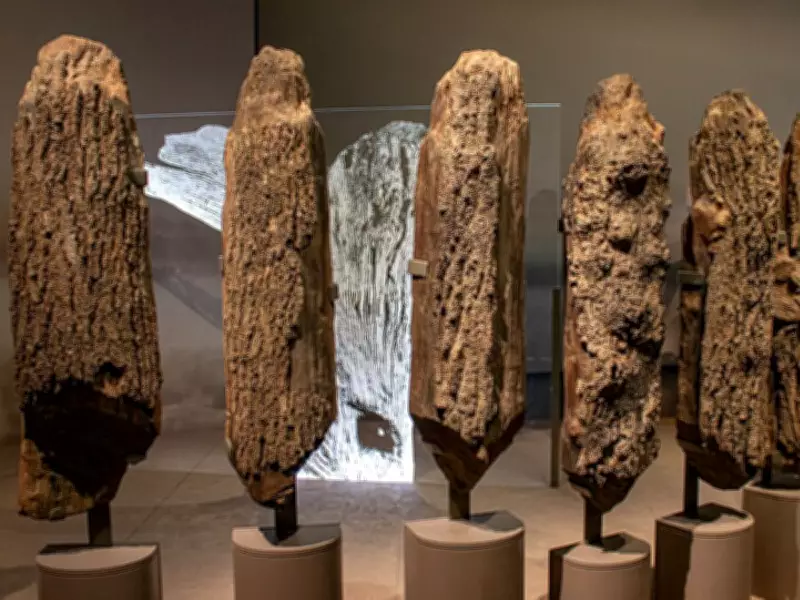
In the winter of 1998, along the windswept shores of Holme-next-the-Sea in Norfolk, an extraordinary relic of the past emerged from the shifting sands. As the tide receded, beachgoers noticed a cluster of ancient oak posts and an upturned tree stump protruding from the wet sand. The formation, initially mistaken for driftwood, revealed itself to be a well-preserved Early Bronze Age timber circle. Dubbed Seahenge by the media and the public, this buried treasure had remained hidden for millennia beneath mud and peat, protected from the elements until the sea uncovered it.
A Fragile Treasure on the Edge of the Ocean
The sudden appearance of Seahenge served as a stark reminder of how rapidly changing coastlines can alter our understanding of history. For centuries, the sea had shielded the ancient wood from oxygen, preserving it in an anaerobic environment. However, once exposed to the corrosive forces of saltwater, shifting sands, and tidal erosion, the timbers faced imminent destruction. The 2024 research published in Springer Nature Link reinforces these concerns, connecting the timber enclosures—known as Holme I and Holme II—to possible ritual responses to climate stress along the coast. The study contextualizes these Early Bronze Age structures within a broader network of intertidal monuments along Norfolk, highlighting that Seahenge was always tied to long-term environmental change and rising sea levels. Ironically, the same sea that preserved the site for thousands of years now threatened to dismantle it.
A Losing Battle Against the Tide
Archaeologists realized that leaving the monument exposed would result in irreversible damage. Erosion could obliterate valuable evidence, including crucial insights into prehistoric life. What began as a peaceful beach sighting quickly escalated into a high-stakes rescue operation. In spring 1999, a dedicated team, aware of the relentless threat of the sea, initiated a large-scale excavation. This was no ordinary dig; researchers had to work around daily tides, employing emergency methods such as precise tree-ring dating, environmental analysis, and detailed structural documentation. Every piece of evidence had to be recorded before the next tide swept in, turning the excavation into a race against time.

The Message of the Ancient Circle
The rescue crew captured images revealing that the site was an intentional, well-planned human creation. The structure consisted of a circle of split oak posts surrounding a central upturned oak stump. According to data from the Manchester Museum, Seahenge is recognized as a Bronze Age timber circle with significant symbolic or religious importance to its builders. Unlike inland ruins that often remain undisturbed for decades, Seahenge exemplifies the urgent challenges of coastal heritage management. It demonstrated that archaeological treasures can appear in the most vulnerable locations without warning, demanding immediate human intervention to protect fragile evidence from destruction.
Seahenge Today: A Lesson for the Present
Today, Seahenge stands as a testament to the delicate connection between human history and changing environmental conditions. The timber circle survived beneath the sand for three millennia, only to emerge and offer modern civilization a fleeting chance to discover, study, and preserve its story before erosion erased more clues. The site underscores the importance of proactive conservation in the face of climate change and rising seas. Seahenge is not just an ancient monument; it is a call to action, reminding us that our heritage is fragile and that the past can teach us valuable lessons about resilience and adaptation in a changing world.
This article is based on reporting from the TOI Science Desk, a team dedicated to bringing captivating stories from the world of science to readers of The Times of India.






