Powerful Solar Storm Strikes Earth, Creates Widespread Aurora Displays
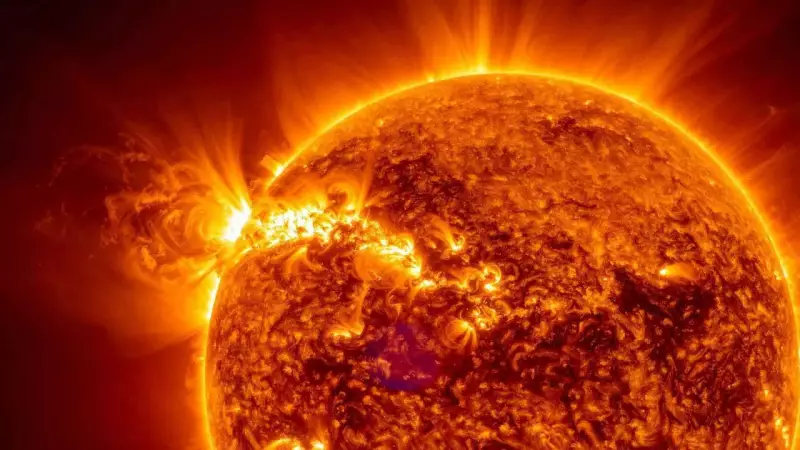
A massive burst of energy from the sun has slammed into our planet. Scientists confirm this solar radiation storm ranks as the most violent in two decades. The event promises breathtaking northern lights in regions that rarely witness such celestial shows.
Unprecedented Solar Activity Confirmed
The Space Weather Prediction Center just verified Earth's passage through a severe solar radiation storm. Officials rate this event as S4 on their five-point scale. This marks the strongest storm recorded since October 2003.
Solar radiation storms happen when the sun releases intense bursts of energetic particles. These particles race through space at incredible speeds. When they collide with Earth's magnetic field, they create spectacular visual effects while potentially interfering with technology.

Space weather experts emphasize the rarity of such intense events. They typically occur during periods of peak solar activity within the sun's 11-year cycle. The current storm represents a significant moment in our ongoing solar cycle.
Potential Impacts on Technology and Travel
The storm's main effects will manifest in space and at high altitudes. Satellite operations face possible interference from the solar particles. Space launch activities require careful monitoring during this period.
Aviation authorities have received specific warnings about polar route flights. Communications on high frequencies may experience complete disruption in polar regions. Airlines flying these routes must exercise extra caution.
Flight crews and passengers on long-distance, high-latitude journeys face a slightly elevated radiation exposure risk. Satellite operators remain vigilant for signal degradation or minor hardware stress caused by the incoming particles.
Key organizations including NASA, the Federal Aviation Administration, and emergency management agencies have received alerts. Officials stress that early warnings can help minimize potential disruptions across essential sectors.
Spectacular Aurora Displays Expected
While technology may experience challenges, skywatchers anticipate extraordinary visual rewards. The storm should extend aurora visibility deep into North America. Forecasters predict particularly intense displays for northern regions.
Under optimal conditions, the northern lights could become visible much farther south than usual. The storm's peak during late Monday night and early Tuesday offers the best viewing opportunities.
Clear skies and minimal light pollution create ideal viewing conditions. Patience remains essential for those hoping to witness this rare celestial event.
The Science Behind the Light Show
Auroras form when charged solar particles strike gases in Earth's upper atmosphere. These collisions release energy as visible light. The result appears as magnificent curtains of green, pink, and purple colors dancing across the sky.
Major solar storms like this one expose Earth's magnetic field to stronger solar influences. This expanded interaction allows auroras to reach latitudes that normally remain outside their range. A complex solar process transforms into one of nature's most beautiful displays.
Storm Duration and Monitoring
Elevated solar radiation levels should persist for several days. Intensity will likely fluctuate as the solar storm continues developing. Monitoring systems remain active to provide updated alerts as conditions change.
Space weather officials continue tracking the storm's progression closely. They will issue further advisories as new information becomes available about this remarkable solar event.