Indian Astronaut Shubhanshu Shukla Unveils the Reality of Personal Hygiene in Space
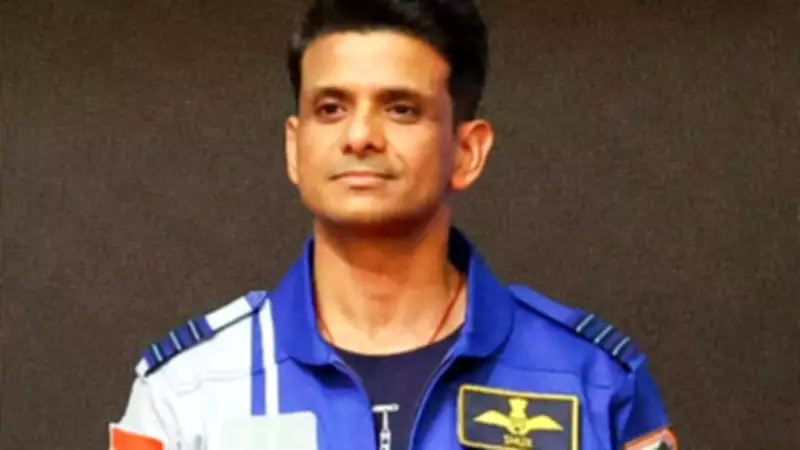
In a fascinating series of social media posts, Shubhanshu Shukla, the first Indian to visit the International Space Station (ISS) and only the second Indian to travel to space after Rakesh Sharma, has been sharing intimate details of life aboard the orbiting laboratory. His latest insights focus on a topic that sparks curiosity among many: how astronauts maintain personal hygiene in the unique environment of microgravity.
The Absence of Showers and the Elegant Science of Space Cleanliness
Shukla, in his recent X post, addressed a common question he receives: "Ever wondered how astronauts stay fresh in space? Of course, you have it’s one of the questions I get asked most." He provided a succinct yet revealing answer: "The short answer: there are no showers up here. The long answer: personal hygiene in microgravity is a surprisingly elegant little science experiment."
Elaborating further, Shukla described the practical alternatives astronauts employ. Instead of traditional showers, the ISS bathrooms are equipped with a simple yet effective tool: a washcloth. He explained, "It starts with this unassuming bag. Inside sits a washcloth pre-loaded with disinfecting shampoo - compact, efficient, and decidedly unglamorous." The process involves adding water to saturate the cloth, turning it into what Shukla humorously termed "the world’s most expensive sponge bath."

Water Scarcity and the Ingenious Reclamation System
A critical aspect of hygiene in space is the meticulous management of water, a precious resource on the ISS. Shukla highlighted this by noting, "Once you’re done, the towel goes to its designated spot, where the moisture it holds gets pulled into the station’s water reclamation system because in space, not a single drop goes to waste." This system ensures that every bit of water is recycled and reused, underscoring the efficiency required for long-duration space missions.
In a previously recorded video from the station, Shukla demonstrated the preparation of the washcloth, offering a visual guide to his explanation. He also pointed out a lighthearted moment in the footage, where his phone appeared to float mid-air. "Did you notice I left my phone suspended mid air for some time? You do not need a mobile holder in space," he quipped, adding a touch of humor to the scientific discourse.
Engaging with the Public: Fun Interactions and Additional Insights
Shukla's post sparked lively interactions with users, who posed various questions about daily life in space. One user inquired about dental hygiene, to which Shukla responded, "Same like ground. Except you swallow the NASA approved paste." Another user, referencing the ISS's 16 sunrises and sunsets per day, asked, "Out of 16 mornings per day, which morning you are considering as a morning? Or you are taking a towel bath 16 times in 24 hours?" Shukla clarified, "Not really. You follow GMT on station. So mornings are based on clock time."
These exchanges not only provided additional details but also highlighted the public's keen interest in the realities of space travel. Shukla's openness in sharing such experiences helps demystify the astronaut lifestyle, making it more relatable and engaging for people on Earth.
As Shubhanshu Shukla continues to document his journey, his posts serve as a valuable educational resource, offering a glimpse into the challenges and innovations of living in space. From hygiene routines to water conservation, his insights underscore the blend of science and practicality that defines life aboard the International Space Station.