

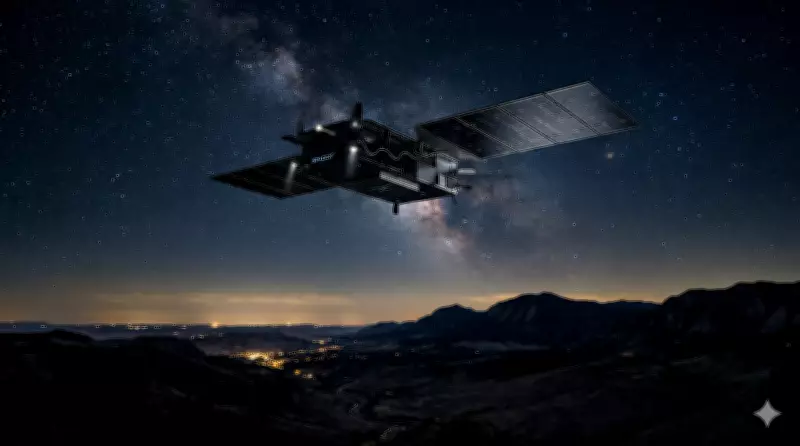
Astronomers Issue Urgent Warning Over Space Projects Threatening Night Sky
The serene beauty of the night sky, a celestial canvas adorned with countless stars, is now facing unprecedented threats from human activities in space. Astronomers across the globe are raising urgent alarms, calling for immediate action to protect this natural wonder from potentially irreversible damage.
Orbiting Mirror Project Sparks Light Pollution Concerns
One controversial proposal comes from Reflect Orbital, which plans to deploy massive mirrors in space to reflect sunlight back to Earth at night. The stated goal is to extend daylight hours for enhanced power generation and infrastructure support. However, astronomers vehemently oppose this initiative, warning it could fundamentally alter our view of the cosmos.
Robert Massey from the Royal Astronomical Society has described the project as "really intolerable" and cautioned that it could destroy an essential part of human heritage. These orbiting mirrors could potentially shine brighter than the moon, dramatically increasing sky brightness and creating severe light pollution.

Scientific research indicates that even minimal increases in artificial light can significantly impair telescope observations. The Reflect Orbital mirrors could make faint celestial objects virtually invisible to astronomers, effectively erasing crucial portions of the night sky needed for scientific study. Additionally, these mirrors could leave persistent trails on astronomical images, rendering some observations impossible.
SpaceX's AI Satellite Constellation Adds to Astronomical Worries
Simultaneously, SpaceX has filed plans with the Federal Communications Commission to launch up to one million AI-powered data processing satellites into orbit. While this ambitious project promises technological advancement, astronomers express grave concerns about its astronomical implications.
Experts predict that thousands of these satellites could be visible simultaneously as moving dots of light across the night sky. Olivier Hainaut from the European Southern Observatory estimates that astronomical observations could lose 10% or more of their image data due to satellite interference.
The problem extends beyond mere visibility. Unlike current satellite constellations, many of these new systems would remain brightly illuminated even at midnight due to their orbital configurations. This persistent brightness would make it nearly impossible for astronomers to conduct observations without interference, potentially crippling ground-based astronomical research.
Irreversible Damage to Cultural and Scientific Heritage
The night sky represents more than just a scientific laboratory; it constitutes a shared cultural heritage that has inspired humanity for millennia. Astrophysicist Noelia Noel emphasizes that we stand at a critical juncture where decisions made today could permanently alter our relationship with the cosmos.
"If we populate the night sky with numerous bright artificial objects, we risk fundamentally transforming an experience that has been constant throughout human history," warns Noel. This transformation would not only affect scientific research but also disrupt ecosystems through light pollution, potentially harming nocturnal wildlife and affecting human circadian rhythms.
Scientists express particular concern about regulatory frameworks that appear inadequate to address these emerging challenges. Many fear that approval processes for space projects are moving too quickly without proper consideration of their environmental and astronomical consequences.
The Future of Space Development and Regulation
The current debate highlights a growing tension between technological innovation and environmental preservation. While satellite technology has revolutionized communication and information access, its rapid expansion has outpaced regulatory mechanisms designed to protect shared resources.
Astronomers advocate for several crucial measures:

- Establishing international limits on satellite deployments
- Developing comprehensive space traffic management systems
- Creating binding regulations for orbital activities
- Implementing environmental impact assessments for space projects
One researcher studying these issues notes, "We must establish clear rules for space activities now, or we risk losing the night sky for future generations." The central question is not whether space development should continue, but how to balance progress with preservation of our cosmic heritage.
As these projects advance, the astronomical community urges policymakers, space agencies, and private companies to collaborate on solutions that protect both technological advancement and the timeless wonder of the starry night sky that has captivated humanity since our earliest days.





