

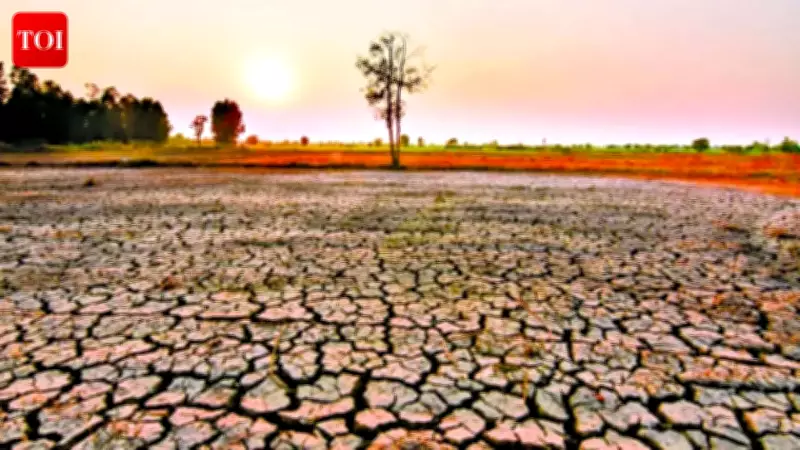
For most of 2025 and early 2026, the world experienced a weak La Niña, typically associated with cooler, quieter weather. However, attention has now shifted back to El Niño, with scientists raising alarms about a potential 'Super El Niño'—the strongest version of this climate pattern that can disrupt weather across the planet.
Rising Concerns from Climate Agencies
According to Reuters, major climate agencies such as the World Meteorological Organization (WMO) are already warning of the risks. Warm Pacific Ocean waters are fueling El Niño's return, with an 80% chance of conditions developing during June to August 2026 and persisting through the end of the year. While every detail is not yet known, the risk is too significant to ignore. Businesses, farmers, and households should begin preparations now.
Compounding Effects with Climate Change
What makes this El Niño different is that it is not occurring on a 'regular' climate cycle—it is叠加 on a world already hotter due to human-caused climate change. The consequences could be even more severe than similar systems in the past. This includes intensified heatwaves, wild storms, soaring food prices, and higher energy bills.

What Exactly is a Super El Niño?
Per The Guardian, El Niño is part of the ENSO (El Niño-Southern Oscillation) climate cycle. It occurs when parts of the Pacific Ocean become much warmer than usual, altering global weather patterns in unpredictable ways—from changing rain and wind patterns to shifting areas of heat, drought, and storms. A 'Super El Niño' is the most extreme form, occurring only a few times since the mid-1900s, notably in 1982-83, 1997-98, and 2015-16. The upcoming event could reach similar intensity, though scientists remain cautious.
Why Scientists Are Worried
This El Niño will build upon record global heat. Human-driven warming has already raised Earth's average temperature by about 1.3°C since the Industrial Revolution. Any additional heat from El Niño will exacerbate an already overheated world. In simple terms, El Niño pours gasoline on a fire that is already burning, transferring massive heat from the ocean to the air. The WMO expects higher-than-normal temperatures for most land areas this year.
How Super El Niño Interacts with Climate Change
Strong El Niño events do not cause climate change, but they can amplify some of its headline effects temporarily. Super El Niño years often bring record heat, and if the current event strengthens, 2026 and especially 2027 could rank among the hottest years ever recorded. Beyond statistics, El Niño in a warming world offers a preview of future conditions: more intense heatwaves, deeper droughts, and fiercer downpours.
Food Prices Likely to Skyrocket
Historical patterns suggest global food prices will rise. Agriculture is highly weather-dependent, and El Niño can disrupt rain patterns, causing droughts in some regions and floods in others, devastating harvests. When major food producers are affected, global markets react swiftly. The UN reports that cocoa crops in South America and West Africa are already at risk, which could further increase chocolate prices. El Niño can also impact rice, wheat, corn, sugar, coffee, and palm oil harvests, leading to shortages felt by consumers worldwide. Farming-dependent countries may face economic instability.
More Extreme Weather Expected
Strong El Niños alter where and when extreme weather occurs. Some regions face brutal droughts, increasing wildfire risks, shrinking lakes and rivers, and water restrictions. Others experience relentless rain and flooding. Scientists are particularly concerned about South America, parts of South Asia, Australia, southern Africa, and parts of North America. For India, El Niño is known to weaken summer monsoons, severely affecting agriculture, water supplies, and incomes.

Daily Life to Become Harder
Impacts extend beyond weather reports. Prolonged heatwaves can cause health issues, especially for the elderly, outdoor workers, and vulnerable populations. Hospitals may see more heat-related cases. Power bills rise as air conditioning use surges, straining electricity grids. Droughts increase water bills, and both factories and farmers must stretch resources. Tourism is also affected, with popular destinations becoming too hot, smoky, or flooded, disrupting beach vacations, eco-tourism, and safaris. Winter tourism may suffer from reduced snowfall in mountain regions.
What’s the Bottom Line?
It is uncertain whether 2026 will see a full-blown Super El Niño, but the odds of a strong event are rising. The WMO and other experts are urging governments and businesses to prepare now. If conditions escalate, effects will be felt far beyond the Pacific Ocean, including higher food prices, disrupted travel, steeper energy costs, intensified heatwaves, and likely new climate records. This El Niño unfolds on a planet that is already hotter than ever, serving as a stark reminder of the interaction between natural climate cycles and human-driven climate change, affecting economies, ecosystems, and daily lives globally.





