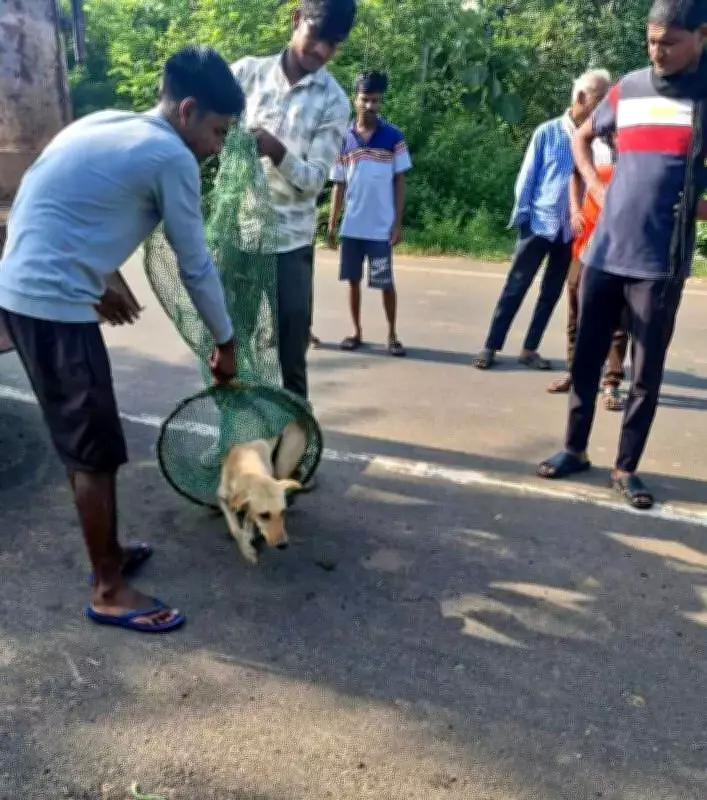
Chandrapur: Long before the recent canine distemper outbreak in Madhya Pradesh's Kanha Tiger Reserve triggered alarm, the Tadoba-Andhari Tiger Reserve (TATR) management in Maharashtra had already begun implementing proactive measures to shield its tiger population from disease threats posed by stray and feral dogs.
Proactive Measures Amid Rising Concerns
Following the National Tiger Conservation Authority's (NTCA) renewed advisory after the death of a Kanha tigress and her four cubs due to Canine Distemper Virus (CDV), Tadoba's ongoing sterilisation and vaccination campaign has emerged as a model of preventive wildlife management. The initiative demonstrates how coordinated action can mitigate risks before they escalate into crises.
Comprehensive Vaccination and Sterilisation Campaign
Launched in January 2026, the special drive covers all 95 villages in Tadoba's buffer zone and is being carried out jointly by TATR authorities, People for Animals (Wardha), and Wild CER. The initiative aligns with NTCA's long-standing standard operating procedures for controlling dog populations around tiger reserves. The campaign focuses on two key objectives: reducing the stray dog population through sterilisation and building herd immunity through vaccination.

So far, 2,365 dogs have been vaccinated across Tadoba's buffer villages, including 1,945 sterilised and vaccinated by People for Animals and 420 by Wild CER. Officials said only seven to eight villages remain, with full coverage expected by June. This systematic approach ensures that the buffer zone becomes a safe barrier against disease transmission to the core tiger habitat.
Advanced Surveillance and Response Systems
Field director PN Shukla said the programme addresses both conservation and health concerns. "We have started serotyping of serums collected from stray and feral dogs. SOP is being established so that, in the event of any outbreak, information reaches the management and vet team immediately," he said. Serotyping helps identify the specific strain of CDV circulating, enabling targeted vaccination and treatment protocols.
The establishment of a rapid response standard operating procedure (SOP) ensures that any suspected case triggers immediate containment measures. This includes isolating infected animals, tracking contacts, and deploying emergency vaccination teams. Such preparedness is critical in preventing spillover from dogs to wild carnivores like tigers, leopards, and dholes.
Model for Other Reserves
Tadoba's approach is being closely watched by other tiger reserves across India. The success of the campaign could serve as a blueprint for nationwide implementation of NTCA guidelines. By integrating community participation, veterinary expertise, and wildlife management, TATR has demonstrated that preventive health measures are both feasible and effective.
Villagers in the buffer zone have cooperated with the vaccination teams, recognising the benefits for both domestic animals and wildlife. The drive also includes public awareness programmes about the risks of stray dogs and the importance of vaccination. This community engagement is vital for long-term sustainability.
With full coverage expected within months, Tadoba is setting a benchmark in proactive wildlife disease management. The initiative not only protects the iconic tiger population but also contributes to broader ecosystem health.