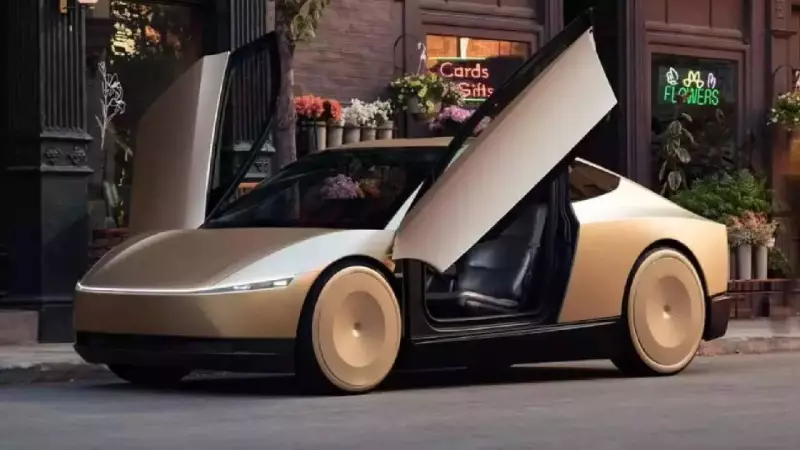
In a strategic move to scale its autonomous ride-hailing ambitions, Tesla has initiated an internal recruitment drive, converting its factory floor workers and sales personnel into "AI operators" for its Robotaxi service. The electric vehicle giant, under the leadership of Elon Musk, is reportedly offering overtime and special shifts to employees willing to monitor its self-driving cars, according to a report by Business Insider.
From Production Line to Driver's Seat: The New AI Operator Role
A poster spotted at Tesla's California offices indicates the company is actively seeking production associates and material handlers to enhance the availability of its Robotaxi network in the Bay Area. These newly minted operators have a critical job: they must sit in the driver's seat, actively monitoring the vehicle while Tesla's Full Self-Driving (FSD) software is engaged and taking control when necessary. This role is a stepping stone towards the company's ultimate goal of launching a fully autonomous service.
The recruitment effort is not limited to factory staff. Tesla is also tapping into its engineering and sales departments to fill these positions. LinkedIn profiles suggest that employees in Nevada and Arizona have already made the transition into similar operator roles in cities like Las Vegas and Phoenix. To accelerate this hiring spree, Tesla is offering a $500 referral bonus to current staff who successfully recommend candidates for the AI operator positions.

Addressing Growing Pains in the Robotaxi Service
This push for more operators comes as a direct response to service delays experienced after Tesla opened its Robotaxi app to the general public in September. Users took to social media to complain about wait times stretching up to 40 minutes and a noticeable shortage of available cars. Even in the Bay Area, where the service is more established, riders reported waits of around 10 minutes. During peak hours, the app sometimes fails to offer rides altogether, citing "high service demand."
Bringing on a large pool of in-house operators is seen as a way for Tesla to provide faster and more reliable service, effectively managing the fleet as it expands and software testing continues.
Regulatory Landscape and Fleet Expansion
Tesla's regulatory journey varies by state. The company completed its own service certification in Nevada and Arizona last month. While it has approval from the Arizona Department of Transportation for a commercial service, it has not yet requested a paid service license from the Nevada Transportation Authority. As of now, paid rides have not commenced in either state.
The situation in California, where Tesla launched its Bay Area taxi service in August, is more complex. Due to the state's stringent regulations on autonomous vehicles, Tesla operates its service with human drivers. It has permission from the California Public Utilities Commission (CPUC) to offer rides as a regular car service with a driver for employees and some public members, but it is explicitly not permitted to transport the public in a driverless car.
A CPUC spokesperson revealed that Tesla currently has 1,655 vehicles and 798 drivers registered for its California taxi service. The company is required to update its vehicle count as the fleet grows. Furthermore, in December 2024, Tesla registered over 220 test drivers and 100 vehicles with the California DMV for a permit that allows testing of its self-driving software with a safety driver present.
This multi-pronged strategy of internal workforce conversion, fleet expansion, and navigating state-by-state regulations underscores Tesla's determined push to make its Robotaxi vision a commercial reality.