Thane Municipal Transport Embraces AI to Revolutionize Bus Operations
In a significant move to address growing passenger demands and operational inefficiencies, the Thane Municipal Transport (TMT) has announced plans to integrate Artificial Intelligence into its bus fleet management. The initiative, outlined in the Rs 791.86 crore budget for 2026-27, aims to optimize the strained fleet, maximize carrying capacity, and enhance revenue generation in the coming fiscal year.
Addressing Fleet Strain and Passenger Frustration
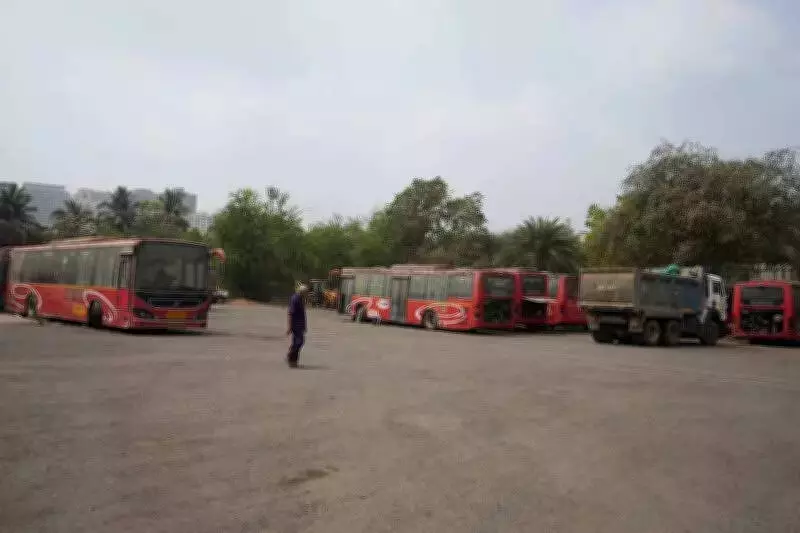
TMT Manager Balchandra Behere presented the budget on Monday, highlighting critical challenges facing the transport system. While passenger volumes on TMT buses have surged, the fleet size has remained stagnant, creating severe operational bottlenecks. This mismatch has forced the administration to make better use of existing buses, many of which frequently get stuck in traffic on congested routes within and beyond city limits, disrupting schedules.
Commuters waiting at key locations like Thane Satis or along Ghodbunder Road have voiced increasing frustration over long queues on certain routes, while empty buses continue to operate on others due to rigid timetables. This not only inconveniences passengers but also drives potential revenue to private bus services, exacerbating financial losses for TMT.

Intelligent Traffic Management System: The AI Solution
Field officials report that traffic congestion on multiple routes delays bus arrivals at stations, preventing route inspectors from effective scheduling. To combat this, TMT is implementing an Intelligent Traffic Management System (ITMS) powered by AI. "We are working on implementing the Intelligent Traffic Management System for our buses, where we will be able to locate the position of buses, analyze tickets sold at specific stretches and times, and reschedule buses on different routes based on real-time requirements," explained Behere.
This system will enable dynamic scheduling, allowing services to be deployed where demand is highest, thereby reducing losses from non-profitable routes. Officials emphasize that current shortages on revenue-rich routes occur because buses are often allocated to less profitable ones, a practice the new AI-driven approach aims to rectify.
Overcrowding and Maintenance Challenges
Another pressing issue is the physical strain on buses. An anonymous official confirmed, "Often, our buses carry 100 passengers at any given time, which is over double the permissible limit, as the volume of on-road buses has shrunk mainly due to frequent wear and tear of vehicles." Overcrowding and navigating poor road conditions, especially along Ghodbunder, frequently send buses to workshops, further reducing operational capacity.
Fleet Expansion with Electric Buses
Alongside AI integration, TMT is bolstering its fleet with new additions. The administration plans to induct over 360 buses by the end of the next fiscal year. "Around 100 air-conditioned electric buses are expected to be inducted into the TMT fleet under the PM-eBus Sewa Scheme in 2026-27, while the tendering process is underway for 110 more additional AC e-buses, including 10 double-deckers, and 160 more through the 15th Finance Commission's NCAP grants," detailed Behere.
This expansion, combined with AI optimization, is poised to transform Thane's public transport landscape, offering commuters more reliable and efficient services while boosting TMT's financial sustainability.