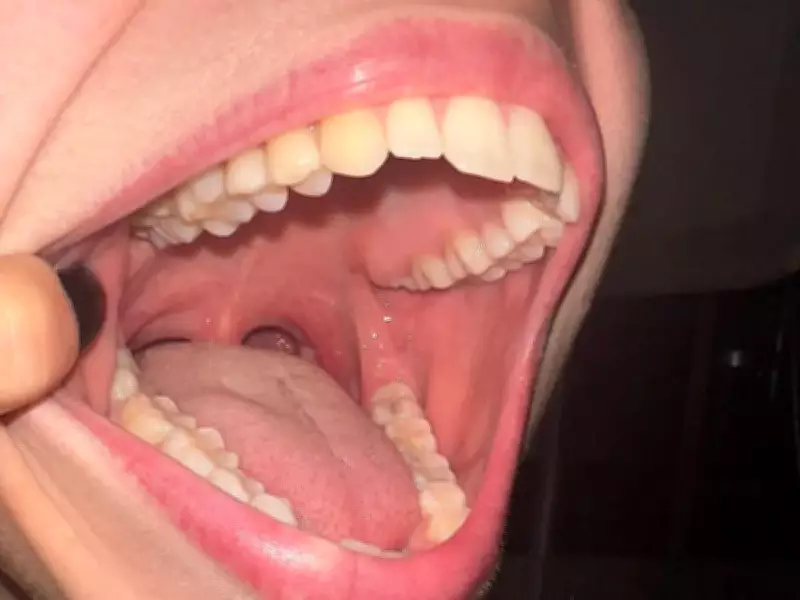
Losing a tooth has long been a source of anxiety, social withdrawal, and a loss of confidence for many, often seen as a sign of ageing and poor health. Traditional solutions like dentures, bridges, and implants have been the only options available. However, scientists from Japan have discovered an innovative approach to solve this problem.
Breakthrough in Regenerative Dentistry
Researchers from Kyoto University Hospital have embarked on clinical trials for a drug that could help the body replace missing teeth. The drug, named TRG-035, aims to inhibit a protein called USAG-1, which prevents the development of additional teeth after adulthood. This innovation falls under regenerative dentistry, which explores biological methods without artificial substitutes.
How Does TRG-035 Work?
A 2021 study published in the National Library of Medicine suggests that inhibiting USAG-1 can enable individuals to grow an extra set of teeth after the two existing sets. Blocking this protein activates tooth buds—the initial structures involved in tooth formation. The medication is administered through intravenous injection.

Angray Kang, Professor from Queen Mary University of London, described the approach as amazing and promising, though he noted that significant progress may take time.
Positive Outcomes in Animal Tests
Before human trials, the drug was tested on animals, including mice, ferrets, and dogs. Tests on mice led to new tooth development with no serious adverse effects. Ferrets, which have similar tooth development to humans, also grew new teeth. Dogs similarly benefited from the treatment. Consistent findings across species indicate that the treatment could work in humans.
Clinical Trial Details
The current clinical trials at Kyoto University Hospital involve 30 individuals aged 30 to 64, each missing one or more teeth. The primary objective is safety rather than efficacy. Researchers injected limited quantities of TRG-035 into subjects, monitoring responses and determining optimal dosage. Future phases will test the drug on individuals with congenital tooth development issues.
Significance of Clinical Trials
If successful, this technology could revolutionize dental care. Current methods like implants or prosthetics often involve surgery and risks. Regenerating teeth would produce new biological teeth that fit the jaw perfectly. Dr. Chengfei Zhang, a dental research expert, called this innovation revolutionary, though more tests are needed to ensure safety and efficacy across diverse populations.
Challenges and Future Directions
Despite the excitement, several challenges remain. Scientists must ensure newly formed teeth develop correctly in the mouth. Regulatory approval from bodies like the U.S. Food and Drug Administration will require extensive evidence of benefits. Consent issues are also critical.
Researchers believe it may take a few years before the treatment is available to the public, with a possible target date of 2030 if all trials succeed. The concept of tooth regeneration, once futuristic, is now on the horizon.