It was in 1996 when the first Café Coffee Day opened in Bengaluru. While traditional coffee houses existed for years, the opening of a formal chain revealed to India that it could go to designated cafes to sip on its favourite coffee. Over the years, this has transformed into a completely new industry.
Specifically in the country, the food and beverage industry is extremely dependent on the café culture for trends and traditions. From make-your-own-desserts and paint-and-sip sessions to dog and cat cafes, there's a café for everything you could possibly imagine and wish for. However, what is served inside these cafes is dominated by a trend of what is being watched on social media. From Starbucks' merchandise to Korea's boba tea, Indian cafes follow trends religiously enough to ensure that their customers don't miss out on global trends or envy other countries.
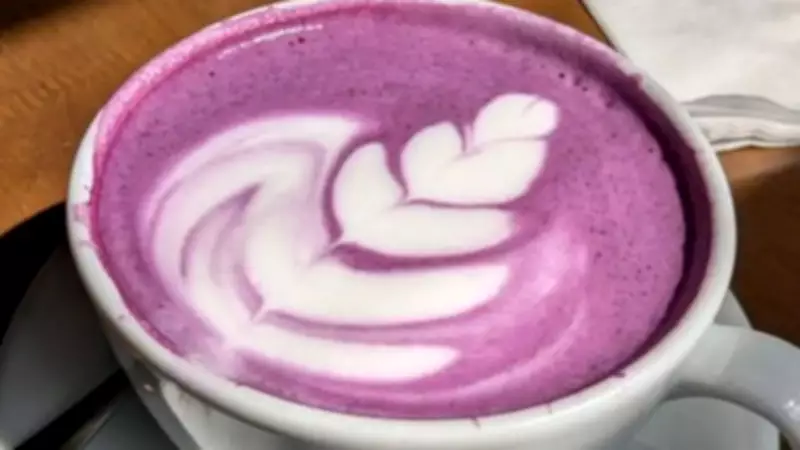
One such trend that has taken over the country's cafes as of yet is the Ube coffee trend. From pastel purple lattes to glossy iced coffees, Ube has quickly entered the menu of most cafes this year.

What is Ube?
Originally, Ube, also known as purple yam, is a part of the Filipino cuisine. It is a naturally sweet root vegetable known for its vibrant purple colour, earthy flavour and creamy texture. Traditionally, Ube has been used to enhance the texture and taste of desserts like cakes, ice cream and more. However, now it is being used in frothy and creamy coffees not just to add colour but also taste.
Is Ube good for health?
Well, beyond your Instagram aesthetics and thrill of trying every trend in the universe, does Ube hold true? Scientifically, Ube is rich in carbs potassium and Vitamin C. It is enriched with powerful plant compounds and antioxidants such as anthocyanins that are known to reduce blood pressure and inflammation, as per Healthline. The flavonoids in Ube may also improve the blood sugar levels in people with Type 2 diabetes while also lowering blood pressure and elevating gut health.
Should Ube lattes be your regular?
Well, while the vegetable in itself might be healthy and tasty, with coffee there might be trouble in disguise. Café-style Ube coffees come with added sugar, syrups, and cream. In this case, the Ube coffee may not be much healthier than your regular coffee. Moreover, while Ube alone is great for diabetes patients, with added products, it might have the opposite effect. Thus, it is better to head for a low-sugar version with healthy ingredients. While a cup here or there is good, it's better to stick to your healthier choices.