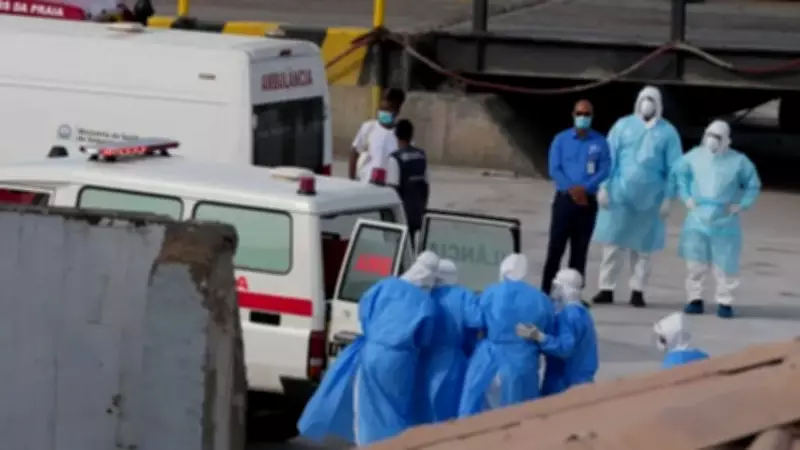
By now, the world is aware of this tragedy: what started as a high-end adventure across the South Atlantic took a hard turn into medical emergency territory. The hantavirus outbreak began during a 35-day polar voyage that departed from Ushuaia, Argentina, in early April. The MV Hondius cruise ship had about 150 people on board from more than 20 countries. The first deaths on board were not immediately tied to hantavirus, which contributed to valuable time being lost. By the time lab tests confirmed the cause, the ship had traveled through several ports, making containment much harder. For the unversed, the virus has already taken at least three lives and infected several others.
During the MV Hondius outbreak, an American oncologist turned into the ship's unofficial doctor, and his inside account paints a picture of fear and scrambling as chaos spread through the vessel. Dr. Stephen Bend, whose day job is treating cancer patients in the States, recently shared his first-hand experience of being on board the ship with ABC News, revealing how the atmosphere onboard unraveled when, first, a few, then more, people, including crew, started showing symptoms tied to the rare Andes hantavirus strain.
With the ship's actual doctor out sick and confined to quarters, Dr. Bend suddenly found himself in charge. He went from tourist to crisis medic, helping care for the sick and offering calm advice to worried passengers.

US oncologist's experience on the hantavirus outbreak ship
Dr. Bend described the emotional toll as overwhelming. It is one thing to read 'health emergency at sea' from a distance. It is another to be stuck on a ship in the middle of the ocean, with only basic medical gear and a dangerous, unfamiliar virus spreading all around. The ship, run by Dutch company Oceanwide Expeditions, had about 150 people onboard after leaving Ushuaia in early April. When the first passenger got sick, most people thought it was a one-off. That changed fast when more passengers developed fever, tiredness, trouble breathing, and stomach issues. Eventually, tests pinned it down: the Andes hantavirus, the only hantavirus that sometimes passes from person to person.
Dr. Bend said not having answers was the hardest part. This was not COVID, and the disease is so rare that most folks onboard had never even heard of it until now. 'There's fear because people don't know what's happening,' he shared, describing how the mood got darker as people holed up in their cabins, nervously watching for symptoms. Medical facilities onboard were bare-bones. They were fine for cruise mishaps, but a poor match for a disease that causes serious respiratory distress and spreads through close contact. No fancy diagnostics, no high-level ICU setups, apart from the basics.
As things got worse, international health authorities started jumping in. More medical staff and disease experts boarded the ship while it was near Cape Verde, and the ship kept heading toward Tenerife, where everyone could get help.
Hantavirus outbreak: Where things stand now
One reason this outbreak has captured attention is that the Andes strain acts differently than most hantaviruses. Most are rodent diseases and do not move between people. However, the concerning part is that the Andes strain does, sometimes, after prolonged close contact. Investigators think the outbreak may have started before passengers ever boarded, maybe during travels in rural Argentina. One Dutch passenger who had spent time in the countryside is suspected of being the first case.
Passengers on the Hondius spent days in limbo while governments argued over evacuation and quarantine details. Some countries set up medical flights, others lined up long-term checks for returning citizens. The CDC said all US travelers from the ship will be closely monitored, and some will be put in quarantine. What is reassuring is that the WHO officials have pointed out this is not another global-level threat. Risk remains low, no sign of the virus spreading widely, and strict monitoring is in place.