

AI-Powered Virtual Train Transforms Elderly Care in Australia
At St Vincent's Care Toowoomba in Queensland, Australia, residents are embarking on extraordinary journeys aboard a train that never physically moves yet transports them across continents. Launched in March 2026, the innovative "St Vincent's Express" recreates luxury rail travel through cutting-edge technology designed specifically for elderly individuals who can no longer travel due to age or health limitations.
An Immersive Multi-Sensory Experience
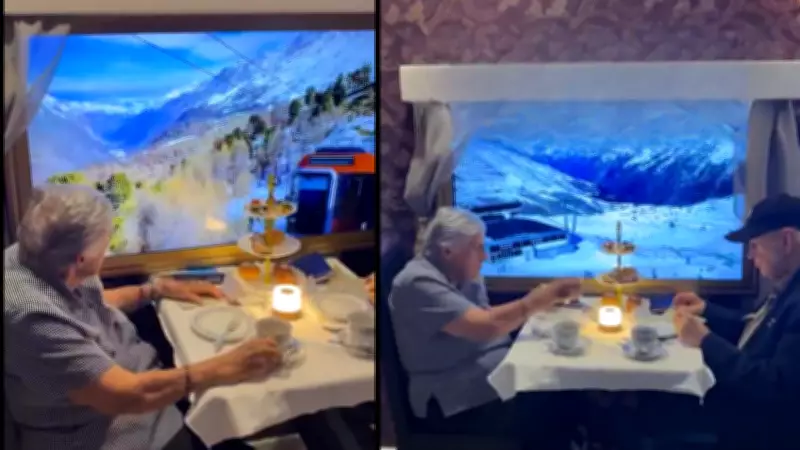
The St Vincent's Express represents far more than a simple screen-based setup. This carefully engineered physical environment meticulously replicates a fine-dining train carriage complete with:
- Arranged seating with comfortable accommodations
- Elegant table settings and ambient lighting
- Sophisticated sound effects mimicking train rhythms
- Wall-mounted panoramic screens displaying continuous landscapes
- Immersive surround sound systems with environmental audio
Instead of traditional windows, high-definition screens create the convincing illusion of motion as residents travel through pre-programmed routes across ten different countries. The experience incorporates printed tickets, mock passports, and region-inspired refreshments that perfectly complement each virtual destination.

AI Narration and Curated Journeys
An AI-powered travel guide provides continuous narration throughout each journey, offering rich context about locations, cultural heritage, and historical significance. This intelligent system sometimes delivers commentary in multiple languages, helping residents from diverse backgrounds connect more deeply with the experience.
The virtual routes are thoughtfully curated rather than random, featuring:
- Breathtaking natural landscapes
- Vibrant urban settings
- Iconic cultural landmarks
- Visual variety designed for emotional engagement
Accessibility and Inclusivity Design
One of the project's most significant achievements is its exceptional accessibility. Unlike traditional virtual reality that requires potentially disorienting headsets, this shared environment eliminates the need for wearable devices entirely. Residents simply sit comfortably to participate, making the experience suitable for individuals with:
- Mobility limitations
- Physical frailty
- Limited technological familiarity
- Cognitive challenges
The group setting encourages natural participation without pressure, allowing each resident to engage at their own preferred pace while fostering social connections.
Supporting Dementia Care and Cognitive Health
This initiative holds particular relevance for residents living with dementia and other cognitive conditions. The immersive environment serves as a powerful tool for reminiscence therapy, where visual cues like familiar landscapes or transport settings can trigger memories of past experiences.
The therapeutic benefits include:
- Stimulating cognitive function through sensory engagement
- Encouraging storytelling and conversation
- Maintaining personal identity and life continuity
- Reducing loneliness through shared experiences
- Improving emotional wellbeing among elderly residents
Technology Serving Human Needs
The St Vincent's Express reflects a broader transformation in aged care toward person-centered, experience-driven models. Rather than focusing exclusively on medical requirements, care providers are increasingly prioritizing emotional wellbeing, meaningful engagement, and quality of life enhancement.
By integrating AI narration, immersive visuals, and hospitality elements, this project demonstrates how technology can be thoughtfully adapted to serve human needs rather than overwhelm users. The multi-sensory approach—where afternoon tea pairs with region-specific snacks—creates powerful connections between taste, visual imagery, and auditory cues.

Scalable Innovation in Global Aged Care
While aged care providers worldwide experiment with engagement tools like VR headsets and sensory rooms, many solutions remain individual-focused. What distinguishes this Australian initiative is its scale and shared design, transforming passive activity into collective experience that encourages group interaction and shared enjoyment.
This model offers replication potential for other care facilities globally, providing a scalable approach to enhance resident engagement without requiring complex personal devices. Beyond technological novelty, the St Vincent's Express restores for many residents a precious sense of movement, curiosity, and participation that physical limitations had previously taken away.





