

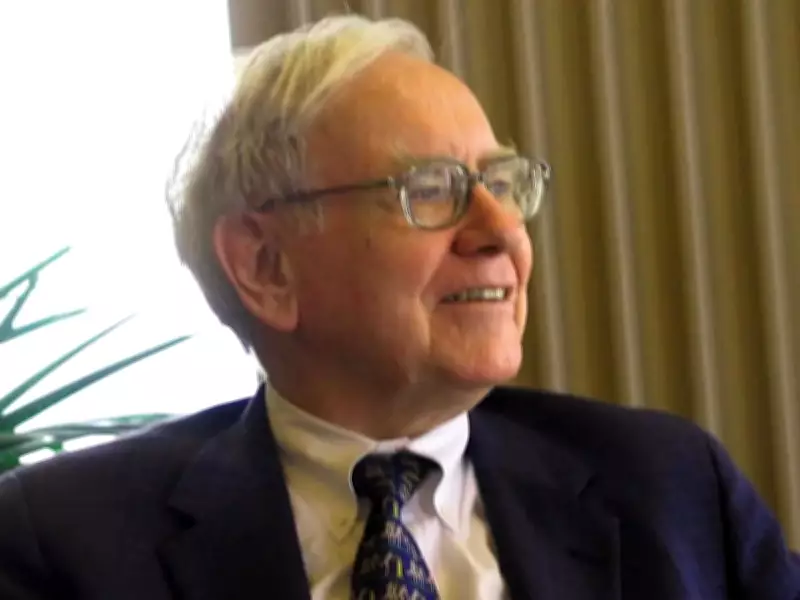
Before becoming one of the most recognizable investors of all time, Warren Buffett was a young student eager to acquire lessons on doing business. In 1951, he visited the GEICO office in Washington, D.C., on a weekend that eventually became the cornerstone of his understanding of investing. Interestingly, it was not an official business trip but rather an informal visit.
Why Visiting GEICO Was Important for Warren Buffett
During his weekend trip, Buffett wanted to find out more information about the company due to his teacher Benjamin Graham’s relations with GEICO. This led to a lengthy conversation with the company’s executive, Lorimer Davidson. Later, Buffett claimed that the discussion with Lorimer Davidson became one of the most famous stories of his early life. What makes this case study special is the fact that Buffett did not shy away from learning directly from businesses rather than focusing on books. Upon arrival at the GEICO office, he met with Lorimer Davidson, the future CEO of the company.
Davidson took great pains to explain how GEICO ran, what the economics of insurance were all about, and how GEICO’s business organization enabled it to have an edge over other firms. The 1951 trip to GEICO was very important in Buffett's early career since it gave him direct insight into a business he would come to know well. Such exposure was invaluable for Buffett. He was not being taught some academic concepts in school; he was receiving first-hand knowledge from someone who knew everything about the firm.

The Insurance Industry Attracted Buffett's Interest
The visit helped cultivate a skill that Buffett went on to develop throughout his career – analyzing businesses in depth and knowing their sources of revenue. For one, insurance companies function in a manner different from many others. Insurance firms receive premiums before making payments on claims. Thus, there is money available in huge amounts which can earn returns until claims are made. This is referred to as float. Later, this float was key to making Berkshire Hathaway a powerful firm.
GEICO’s business model showed how an underwriting discipline and low overheads could generate long-term shareholder value. According to the official GEICO history, Lorimer Davidson was instrumental in illustrating these business principles to Buffett during his visit. The practical demonstration left a profound impact since Buffett preferred businesses with clear economics and sustainable competitive advantages. Instead of following the market hype, he preferred to analyze companies whose intrinsic value could be carefully examined.
Lorimer Davidson’s Influence on Buffett
The effectiveness of the meeting was due to its simplicity, not theatrics. Lorimer Davidson described GEICO’s business model in clear and concise terms. This approach resonated with Buffett’s personal preference. According to The New York Times, Buffett always had a habit of favoring businesses with easily comprehensible and rational logic. The discussion further illustrated another of Buffett’s characteristics that became iconic later on: learning from firsthand sources.
Buffett has always considered it vital to understand the quality of management and business operations, rather than focusing on stock price fluctuations. This particular experience with GEICO emphasized this philosophy during Buffett’s younger years. Buffett’s approach towards investments is characterized by discipline, patience, and a strong focus on finding the intrinsic value of business entities.
Patience and Long-Term Thinking
Warren Buffett’s visit to GEICO and the series of events that followed are still relevant because they represent his general approach to investments. Value-based investments require patience from investors. They must analyze companies, avoid impulsive actions, and be patient enough to consider long-term prospects of the company regardless of temporary market fluctuations. The 1951 GEICO visit taught Buffett an important lesson about patience and long-term thinking. He became interested in understanding the principles behind businesses rather than trying to make short-term gains through investments. GEICO's long-standing relationship with Buffett and his investment firm Berkshire Hathaway is also noted in the Securities and Exchange Commission's archives.

Why This Story Matters
This historical story attracts interest from historians and financial experts due to its valuable message about learning. Great careers may be made out of small things. The tour Buffett went on was not glamorous. It entailed questioning, listening intently, and learning more about a single firm in detail. But even this brief exchange helped solidify an approach that would enable Buffett to become one of the most successful investors ever in the years to come. The anecdote also highlights the significance of inquisitiveness. Buffett did not wait for facts to be delivered to him; he sought them out. This became one of the key features of Buffett’s investing profession. The GEICO encounter in 1951 is still worth remembering because it illustrates how a seemingly straightforward process – direct interaction with experts about a particular business – could lead to long-term success.





