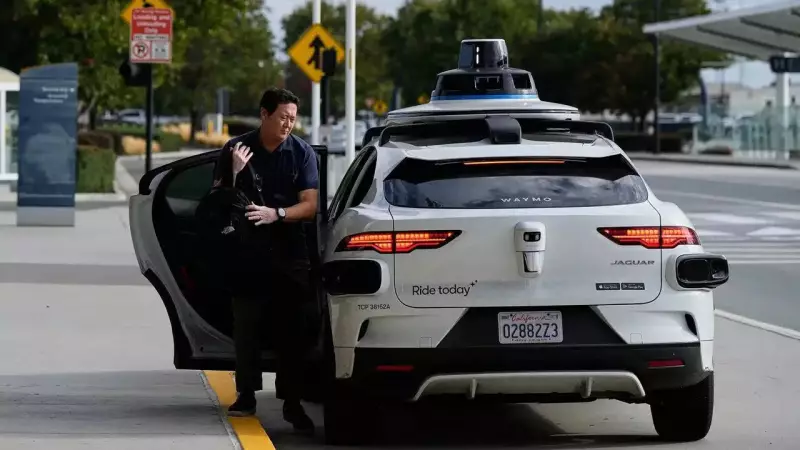
In an ironic twist for the self-driving car industry, a new category of gig work has surfaced in the United States. The autonomous vehicle service Waymo, owned by Google's parent Alphabet, is reportedly paying American workers around $22 for the simple task of closing the doors of its driverless taxis. This development underscores a paradox where technology designed to eliminate human drivers is now generating basic manual labour roles.
The Rise of Unexpected Manual Jobs
While Waymo was launched with the vision of removing human drivers from the equation, its operations have inadvertently created a demand for local workers to handle physical tasks the robots cannot manage. A report by The Washington Post highlighted that tow truck operators are using an app named Honk to pick up small maintenance jobs for the autonomous fleet. These tasks range from securing improperly closed doors to towing vehicles that have stalled or run out of battery power.
This reality fulfills a prediction made years ago. In 2016, former Waymo CEO John Krafcik wrote that self-driving technology would create "many new types of products, jobs, and services." Nearly a decade later, these new jobs include the fundamental physical interventions that the sophisticated robotaxis are incapable of performing themselves.

Challenges and Pay for Gig Workers
Despite the convenience of app-based work, some business owners find it challenging. Evangelica Cuevas, a tow company owner, explained the pay structure: her drivers are offered "$22 to $24" to close Waymo doors and between "$60 to $80" to tow the vehicles. These specialised calls often come when a vehicle gets stuck while searching for a charging station or due to a technical glitch, requiring human workers to solve problems the software cannot.
These limitations were thrown into sharp relief during a recent massive power outage in San Francisco, which affected nearly 30% of the city. The blackout left hundreds of Waymo vehicles stranded on busy roads, unable to navigate intersections with non-functioning traffic signals. The incident forced Waymo to suspend its ride-hailing services for several hours. Social media was flooded with images and videos of the immobile robotaxis disrupting traffic.
Waymo's Response to Infrastructure Failures
Following the outage, Waymo announced a fleet-wide software update to help its vehicles make safer and quicker decisions during similar infrastructure failures. The company stated it was analysing the event and integrating lessons learned. Waymo outlined three immediate steps:
- Integrating more detailed information about power outages into its system.
- Updating its protocols for emergency preparedness and response.
- Expanding engagement and coordination with first responders.
The company's pause in operations didn't end there. More recently, Waymo had to temporarily halt its San Francisco robotaxi service again, this time due to a National Weather Service flash flood warning. The service pause lasted through Friday, December 26, at 10 pm local time, highlighting the system's vulnerability to natural calamities as well.
These events collectively paint a picture of an autonomous vehicle industry still grappling with the unpredictable realities of the physical world. While the technology advances, the need for human support in edge cases—from closing a door to rescuing a flooded car—creates a new, unexpected niche in the gig economy, proving that the road to full autonomy still has a few human-driven detours.