The Cold War Origin of WD-40
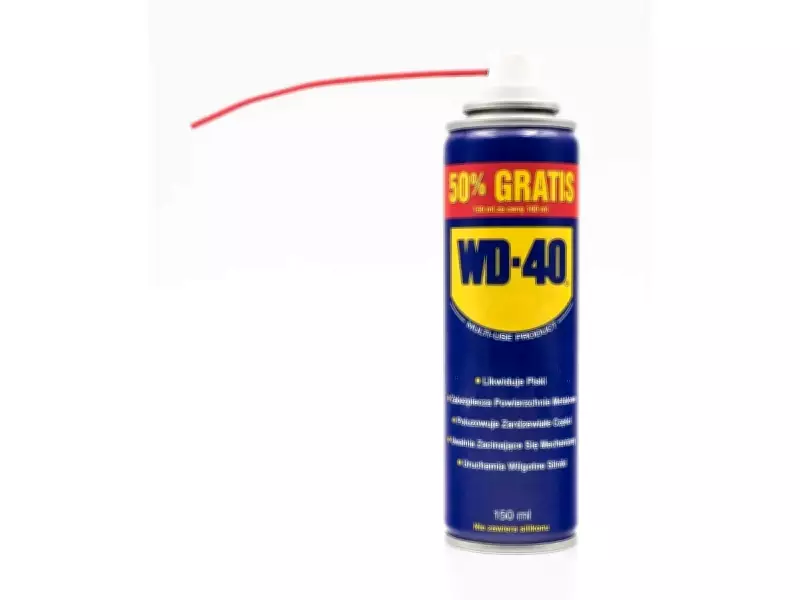
WD-40 is one of the most recognizable products in American garages and workshops. Known for its blue and yellow spray can, it is used to remove moisture and loosen bolts. However, its creation began as a solution to a Cold War problem, requiring numerous failed attempts before success.
According to historical accounts, WD-40 was invented by San Diego chemical engineer Norm Larsen. He aimed to develop a mixture that would prevent corrosion and repel moisture on Atlas missile components. The task proved tedious and frustrating, with Larsen and his team testing around 39 failed formulas before achieving the desired result.
The successful 40th formula became known as WD-40. As per a legal history document from UC Berkeley Law, the product was initially developed for the U.S. Government to protect missile components from corrosion during the Cold War. The Atlas missiles required protection from moisture and rust, as any damage could affect their functionality. Larsen founded the Rocket Chemical Company to tackle this challenge.

The 40th Attempt Becomes Legendary
The name WD-40 directly reflects its origin: "WD" stands for water displacement, while "40" signifies the number of formulas tested before success. This naming scheme makes it sound like a research notebook entry. Historians emphasize that the story of repeated failures highlights how engineering and science operate in reality—inventions require testing, corrections, and modifications before becoming useful.
The University of Illinois engineering history archives confirm that the product was meant to repel water and protect missiles from rust. At the time, no one anticipated it would become a widely known consumer product. This origin story may seem unlikely to many today, as WD-40 was not initially intended for household use.
From Missile Defense to Household Tool
Interestingly, from the very beginning, it became clear that the formula could be used beyond its original purpose. Initially needed for military applications, people soon discovered the spray could free rusty bolts, prevent rust, remove water, and reduce friction. Gradually, WD-40 found its way into households, workshops, and manufacturing enterprises. Its versatility allowed it to become a well-known consumer product.
Why the Brand Name Stands Out
WD-40 remains a distinct brand name because it reveals the history of its invention. Unlike most product names that are catchy but meaningless, WD-40 is literal and straightforward. This uniqueness adds to its appeal, conveying a spirit of trial and error and reminding consumers that the effective formula was one of many attempts. The Berkeley Law historical overview cites the brand name and its connection to the testing process, showing that the product's identity is defined not just by its effectiveness but by persistence.
Relevance of WD-40's Discovery Today
Many innovations are not born from luck or inspiration but require hard work, experimentation, and perseverance. Norm Larsen's invention exemplifies this. He tried different formulas until he found the right one. When someone picks up a can of WD-40 today, they may not realize the history behind this ordinary item—a story of wartime engineering, dozens of failed attempts, and a formula that finally worked. This narrative has kept the story relevant for decades.
About the Author
The TOI Science Desk is an inquisitive team of journalists dedicated to exploring the realms of discovery and curating captivating science news, features, and articles for readers of The Times of India. They aim to be a scientific companion, delivering daily wonder and enlightenment on topics from genetic engineering to space exploration and artificial intelligence. The team is committed to demystifying science and making it accessible to all.