White House AI Advisor Advocates for India-US Collaboration on AI Tools
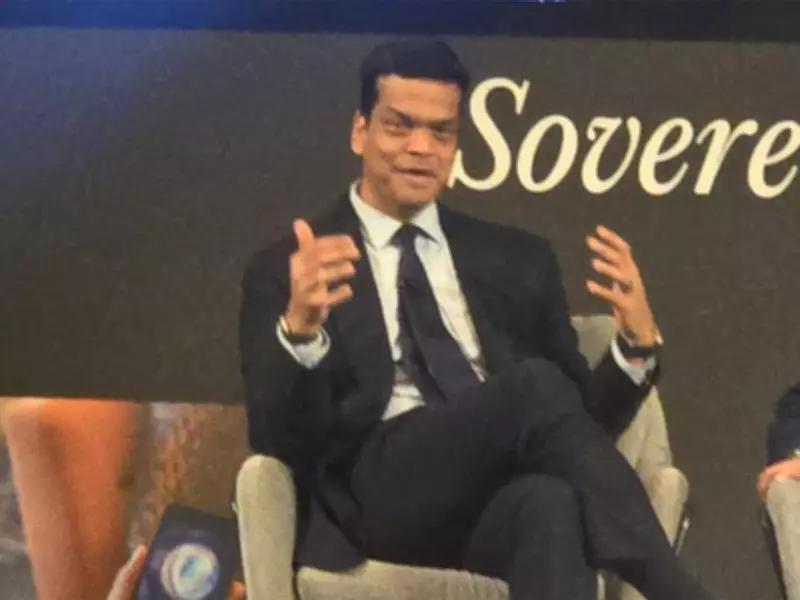
In a significant statement, Sriram Krishnan, a key AI policy advisor at the White House, has emphasized that India possesses a unique opportunity to harness American innovation in order to construct advanced artificial intelligence tools specifically designed for its vast citizenry. This perspective underscores the growing potential for strategic technological partnership between the two nations in the rapidly evolving domain of AI.
Leveraging US Innovation for Domestic AI Development
Sriram Krishnan, who plays a pivotal role in shaping AI policy within the United States government, articulated that India can effectively leverage the cutting-edge innovations and research emerging from the US to build robust AI solutions. These tools, he noted, could be tailored to address a wide array of local needs, from enhancing public services and governance to improving healthcare and education systems across the country.
The advisor highlighted that such collaboration is not merely about technology transfer but involves a deeper synergy. By integrating US advancements in AI algorithms, computing infrastructure, and ethical frameworks, India can accelerate its own AI ecosystem development. This approach could help bridge technological gaps and foster inclusive growth, ensuring that AI benefits reach a broader segment of the population.

Implications for India's AI Strategy and Global Positioning
This endorsement from a high-level White House official carries substantial weight for India's national AI strategy. It signals a recognition of India's capabilities and the mutual benefits of cross-border cooperation in artificial intelligence. Krishnan's remarks suggest that India is well-positioned to act as a key partner in global AI initiatives, potentially leading to joint research projects, shared best practices, and co-development of AI applications that cater to diverse societal challenges.
Furthermore, the statement aligns with broader trends in international tech diplomacy, where nations are increasingly seeking alliances to navigate the complexities of AI governance, security, and innovation. For India, leveraging US innovation could enhance its competitiveness in the global AI landscape, driving economic opportunities and technological sovereignty.
Potential Areas for AI Tool Development in India
Krishnan pointed out several domains where AI tools built with US innovation could make a significant impact in India:
- Public Service Delivery: AI-powered systems to streamline government services, reduce bureaucracy, and improve accessibility for citizens.
- Healthcare Solutions: Tools for disease prediction, telemedicine, and personalized treatment plans, especially in remote areas.
- Educational Platforms: Adaptive learning technologies that customize educational content based on individual student needs.
- Agricultural Innovation: AI applications for crop monitoring, yield prediction, and sustainable farming practices.
- Financial Inclusion: Systems to enhance access to banking and financial services through AI-driven analytics and fraud detection.
In conclusion, Sriram Krishnan's insights highlight a promising pathway for India to advance its AI ambitions by collaborating with the United States. As both nations continue to invest heavily in artificial intelligence, such partnerships could pave the way for transformative tools that empower citizens and drive socio-economic progress on a large scale.