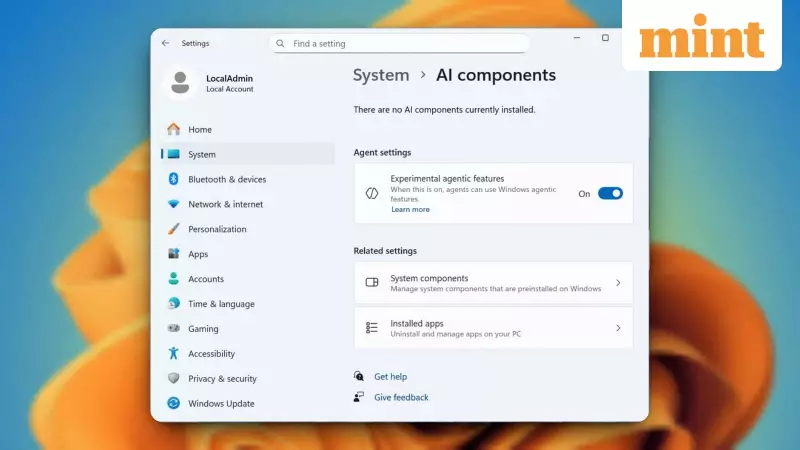
In a significant move addressing growing user concerns, Microsoft has announced a new privacy safeguard for its Windows 11 operating system. The tech giant confirmed that upcoming updates will require all AI-powered agents and tools to obtain explicit user permission before they can access personal files or sensitive data stored on a PC.
Addressing the AI Privacy Backlash
The decision comes amid widespread criticism over the rapid and pervasive integration of artificial intelligence features into Windows 11. As AI capabilities, often referred to as Agentic AI, become more powerful and handle local documents, photos, and emails directly, users and privacy advocates have raised alarms. Microsoft's new system is designed to put control firmly back in the hands of the user.
With this change, a clear prompt will appear on the screen every time an AI agent attempts to access local files or sensitive information. This prompt will not just ask for consent but will also transparently explain what specific data the AI needs and the purpose for accessing it. This allows users to make an informed decision, approving or denying each request individually.

A Core Part of "Responsible AI" Principles
This new feature is a direct application of Microsoft's publicly stated "Responsible AI" framework, which prioritises safety, user consent, and accountability. The company emphasised that the rule will apply universally across the Windows platform.
It will govern both Microsoft's own built-in tools, such as the widely used Windows Copilot, and any third-party AI applications developed for Windows. To ensure consistency, developers will be required to adhere to new API policies that enforce these same privacy standards, creating a transparent experience for all users.
Rollout Timeline and Broader Implications
The privacy safeguard is slated for inclusion in a major Windows 11 feature update expected in 2026. However, users enrolled in the Windows Insider Program are likely to get an early look as testing begins in the coming months.
This strategic update highlights Microsoft's ongoing challenge and commitment to balancing rapid AI innovation with maintaining user trust. As artificial intelligence becomes deeply embedded in routine computer tasks, establishing clear and respectful boundaries for data access is crucial for widespread adoption.
In essence, the next time an AI on your computer needs to look into your private folders or documents, Windows 11 will ensure you have the final say. For millions of users navigating an increasingly AI-driven digital landscape, this represents a reassuring and necessary step towards greater privacy and control.