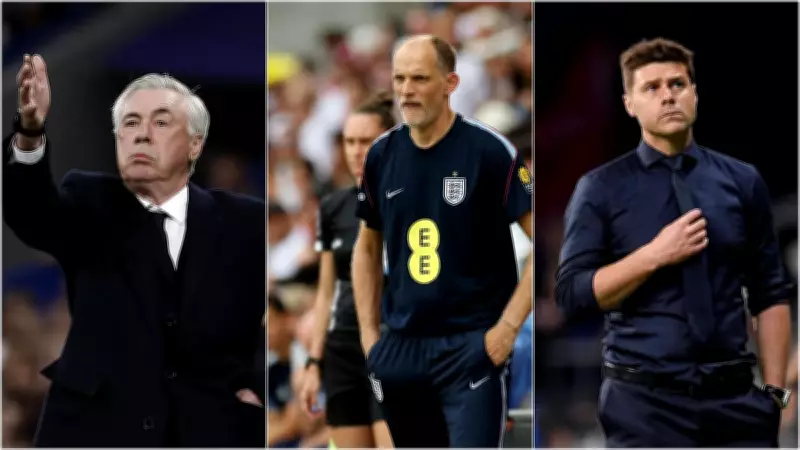
The FIFA World Cup 2026 is shaping up to be a tournament defined by elite managers, breaking tradition. Historically, international football has been seen as a step down from club management, but that perception is changing rapidly.
Elite Managers in International Football
Countries are now hiring top club managers like Carlo Ancelotti and Thomas Tuchel, signaling a major shift in how international football is perceived. These high-profile appointments bring a wealth of tactical knowledge and experience, elevating the status of national team coaching roles.
Historical Rarity of Foreign Managers
Only eight teams have ever won the World Cup, and winning with a foreign manager has been nearly impossible until recently. The tradition of homegrown leadership is being challenged as nations seek the best talent regardless of nationality.

Managerial Legacy at International Level
Managers like Didier Deschamps and Lionel Scaloni have cemented their legacies in international football, proving that success at this level can be just as prestigious as club achievements. Their triumphs challenge the club-centric view of elite coaching.
Challenges of International Management
International managers face unique challenges, including limited time to develop tactics and the need to maximize performance in short bursts during tournaments. Unlike club football, there is little room for trial and error.
Rise of the Manager as a Figurehead
The World Cup 2026 may feature managers as iconic as the players, reflecting their growing influence and control in international football. This trend underscores the evolving dynamics of the sport.

Key Statistics
- 8: Number of teams that have won the World Cup historically
- 24: Years since Brazil last won the World Cup