World ID Expands Partnerships with Major Platforms to Combat AI Impersonation
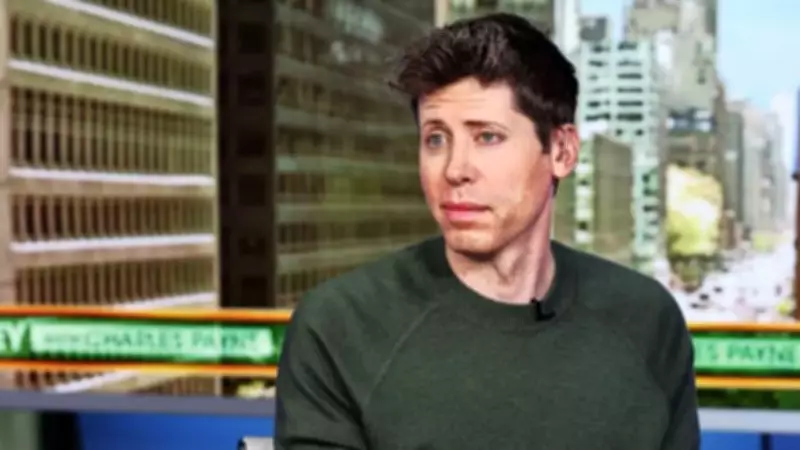
In a significant move to address the growing challenge of verifying human presence in the digital age, the identity verification company World, backed by Sam Altman, is reportedly expanding its partnerships with major platforms including Zoom, Tinder, and DocuSign. This collaboration aims to tackle the increasing difficulty of confirming whether a real human is behind online interactions, especially as generative AI technology becomes more adept at mimicking human behavior.
Major Integrations and Upgrades Announced
According to a report by Axios, World, previously known as Worldcoin, has announced integrations with a diverse array of companies such as Zoom, DocuSign, Tinder, Okta, Shopify, and VanEck. Alongside these partnerships, the company has rolled out upgrades to its World ID system, which is now open-source. Additionally, World is launching a standalone World ID app that allows users to store credentials and sign in across multiple platforms, making identity verification more accessible and portable.
The expansion strategy is centered on World ID, designed to add credibility to online platforms despite ongoing controversies over privacy and governance. This initiative comes as companies seek ways to differentiate themselves from AI agents, with the tech industry shifting towards verifying human presence as a key requirement in an AI-driven environment.

How Platforms Are Adopting World ID
World is relying on strategic partnerships to scale its technology. For instance, Zoom plans to integrate World ID to verify participants on video calls, aiming to reduce risks such as deepfake impersonation. DocuSign is testing the system to ensure that documents are signed by real individuals rather than bots or compromised accounts.
Other companies are exploring similar use cases. Okta and Vercel are collaborating with World on tools that confirm whether human-approved actions are carried out by AI systems. Tinder is expanding its earlier pilot program from Japan to the United States, allowing users to verify that profiles are operated by real people. Investment firm VanEck is also testing in-office "orb" devices for employee verification.
Beyond these integrations, World is introducing a "Concert Kit" tool designed to help artists reserve tickets for verified humans, aiming to reduce bot-driven ticket purchases and enhance event security.
How World ID Works and Its Significance
World ID functions similarly to a CAPTCHA system but focuses on verifying "humanness" rather than traditional identity. Users can verify themselves through three levels: a selfie, a government-issued ID, or an in-person iris scan using the company's "orb" devices. Platforms that integrate World ID can set the required verification level based on their needs.
The company argues that such systems are becoming necessary as AI agents become more prevalent. Tiago Sada, chief product officer at Tools for Humanity, which develops World, told Axios, "When anything can be fake, you don't know who and what to trust." This sentiment underscores the urgency behind these verification efforts.
World reported that approximately 17.9 million people have signed up for World ID globally, with about 1.1 million users in North America, according to The Wall Street Journal. However, analysts have described the initiative as "problematic on many levels," citing concerns around data security and governance that continue to shadow the technology.
Future Plans and Industry Impact
Looking ahead, World plans to expand access to its verification infrastructure. This includes increasing the number of orb locations in cities such as San Francisco, New York, and Los Angeles, and introducing an "orb-on-demand" service following a successful pilot in Argentina. These efforts reflect a broader shift in the tech industry, where verifying human presence is becoming essential for digital platforms operating in an increasingly AI-driven world.
The company's latest push highlights the critical need for robust identity verification solutions as AI technology advances, potentially setting a new standard for online interactions and security across various sectors.