AI Cameras Revolutionize Law Enforcement in Bengaluru
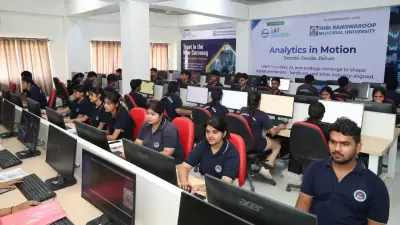
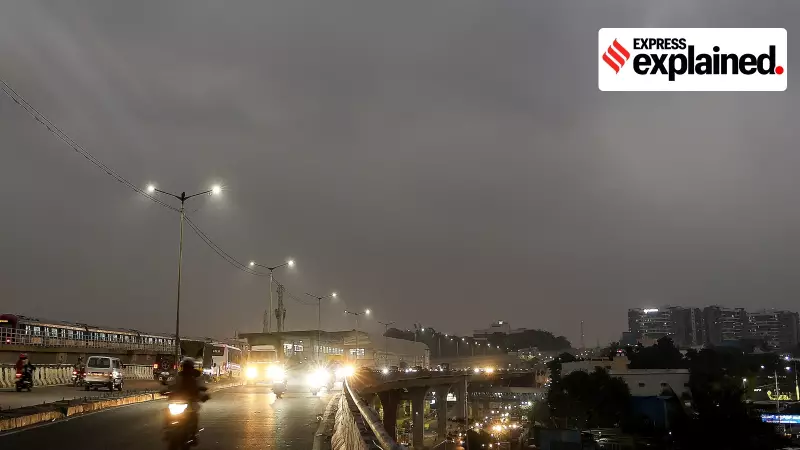
Bengaluru Police have embraced artificial intelligence to create a powerful crime-fighting network. With more than nine thousand AI-equipped cameras feeding live data into their Command-and-Control Centre, officers now rely on technology for much more than just investigating crimes after they occur. This advanced system enables prevention, prediction, and seamless coordination across state borders.
Real Cases Demonstrate AI Effectiveness
Consider the case of a murder suspect from Maharashtra who fled to Bengaluru last October. He believed the city's vast size would help him disappear completely. This man, allegedly connected to a political party, entered Bengaluru in one vehicle, switched cars twice, changed license plates, and kept moving through different neighborhoods to avoid capture.
Bengaluru Police tracked his movements using AI-enabled cameras and Automatic Number Plate Recognition systems. They mapped his journey across multiple junctions, correlated vehicle data, and finally arrested him within the Konanakunte police limits. Technology proved his assumption wrong.

In another significant operation during October 2025, Telangana Police spent two days in Bengaluru tracking a habitual offender. This individual faced over fifty cheating cases across different states. He posed as a bank official near ATMs, offering "help" to users before siphoning money into multiple accounts.
Facial recognition inputs, movement analysis, and camera-based tracking led investigators directly to Basaveshwara Nagar, where they made the arrest. Police officials emphasize that such cases show how AI surveillance has made Bengaluru a difficult city for repeat offenders to operate within.
Street Crime Detection and Missing Persons
AI cameras have proven particularly effective in detecting street crimes. In a recent molestation case where a young woman was assaulted and there were no initial leads, officers used camera analytics to determine whether the accused fled on foot or by vehicle. They tracked footage across multiple junctions to narrow down escape routes successfully.
Missing persons and missing children cases now go directly to the command centre. Photographs get fed into the facial recognition system, which generates immediate alerts if a match appears anywhere in the city. Several theft and missing cases that once took days to coordinate now get handled within hours, according to officials.
Preventing Chaos During Major Events
The preventive strength of AI surveillance became most visible during New Year's Eve and Diwali celebrations. These periods present some of the city's most challenging law-and-order situations. AI-enabled cameras continuously analyzed crowd density and movement in high-footfall areas including MG Road, Brigade Road, Church Street, Indiranagar, and Koramangala.
Data from metro stations and streets converted into colour-coded heat maps showing green, orange, and red zones indicating crowd intensity. Deputy Commissioner of Police Raja Imam Kasim explained that red zones signaled potential stampede risks. Based on these alerts, police teams regulated pedestrian movement, diverted crowds, and restricted entry into congested areas.
A temporary control room established at a Brigade Road hotel monitored live feeds from over two hundred cameras installed across key surrounding areas. This setup enabled police to receive continuous real-time inputs from all major locations. More than twenty thousand personnel deployed citywide received support from command centre teams analyzing AI alerts.
The result proved remarkable. Police reported no major law-and-order incidents, no FIRs filed, and no need for force during these challenging periods.
During Diwali celebrations, light-and-sound detection cameras flagged illegal firecracker bursting after the ten pm deadline. Alerts instantly relayed to nearby Hoysala patrols enabled swift, targeted action without requiring large-scale enforcement drives.

Facial Recognition Systems as Deterrents
Facial Recognition Systems represent an important aspect of Bengaluru's Safe City project. These cameras, installed at sensitive locations, scan faces and compare them with police databases of known offenders. Matches trigger alerts at the command centre, which get cross-verified before any action.
Officials stress that FRS functions primarily as a deterrent. During New Year's Eve celebrations, no high-risk individuals were detected, reinforcing both public safety and community confidence in the system.
Traffic Enforcement Transformed
AI surveillance also reshapes traffic policing in Bengaluru. Automatic Number Plate Recognition cameras automatically detect violations, track stolen vehicles, and assist accident investigations. In the week around New Year's Eve, police filed nearly five thousand drunk driving cases with help from AI-based alerts and targeted deployment.
Senior officers note that the visible presence of AI-backed enforcement acts as a strong deterrent. They reported a period with no major accidents or crowd-related FIRs during recent events. One police officer explained that these systems automatically detect violations across key junctions, allowing contactless challan issuance and freeing personnel to manage traffic flow and road safety more proactively.
Magic Boxes Expand Coverage
A key innovation supporting all these efforts involves 'Magic Boxes'. Under this system, city police temporarily install CCTV cameras at different locations during major events. They also integrate CCTV cameras from apartments and commercial establishments via IP addresses. This approach vastly expands coverage without requiring permanent installations.
By analyzing crowd behaviour, movement patterns, sound, facial data, and traffic flow in real time, Bengaluru's AI camera network has transformed surveillance into an active crime-fighting ecosystem. The system prevents incidents before they begin and helps ensure the city's public spaces remain safe for all residents and visitors.