

As digital banking becomes the norm, a new and sophisticated threat is targeting Indian smartphone users: screen sharing scams. Cybercriminals are now exploiting the screen sharing feature during phone calls, posing as bank officials to steal sensitive financial data directly from victims' mobile screens.
The Rising Menace of Screen Sharing Scams
This advanced form of cybercrime uses clever social engineering. Fraudsters call users, pretending to be from their bank, a fintech app, or another trusted institution. They create a false sense of urgency, claiming there's a problem with the account that needs immediate resolution. The victim is then tricked into activating screen sharing, supposedly to 'verify details' or 'assist with a transaction.' Once the screen is visible to the scammer, every tap, password entry, and one-time password (OTP) is exposed, leading to potential unauthorised transactions and significant financial loss.
Android's Proactive Defence: A Warning and a Pause
To counter this, Google has initiated a crucial pilot programme for Android users, now expanding to the United States after successful testing in the UK earlier in 2025. The feature is designed for devices running Android 11 and above.

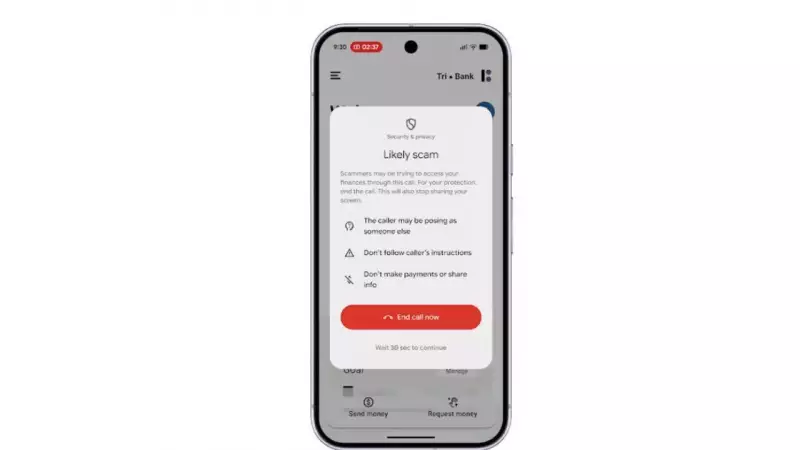
The system intelligently monitors for a dangerous combination: when a user is on a call from an unknown number and simultaneously using screen sharing while accessing a financial or banking application. When both conditions are detected, a large, impossible-to-miss warning pops up on the screen.
How the Protection Works
This warning performs three critical actions:
- It alerts the user that the caller may be fraudulent.
- It advises against sharing any personal or financial information.
- It provides a prominent red "End call now" button to instantly terminate both the call and the screen sharing session.
Most innovatively, the feature introduces a 30-second pause before the user can continue interacting with the call. This brief delay is a masterstroke in disrupting the scammer's psychological playbook, which relies on pressure and haste. It gives the user vital moments to reflect and recognise the scam.
From UK Success to US Pilot with Major Banks
The UK trial proved highly effective, with thousands of users successfully ending risky calls and preventing numerous potential frauds. This feedback helped refine the feature for its current US rollout.
The pilot's effectiveness is bolstered by integration with major financial service providers, including popular platforms like Cash App and leading banks such as JPMorgan Chase. This collaboration ensures real-time, app-specific protection for users conducting financial transactions on their phones.
For Indian users, who are increasingly reliant on mobile banking and UPI apps, this development is a significant step forward in cybersecurity. It highlights a shift from reactive security measures to proactive, behavioural safeguards that protect users at the very moment they are most vulnerable to manipulation. As scams grow more complex, such built-in, intelligent protections within the operating system itself become essential armour in the fight against digital fraud.






