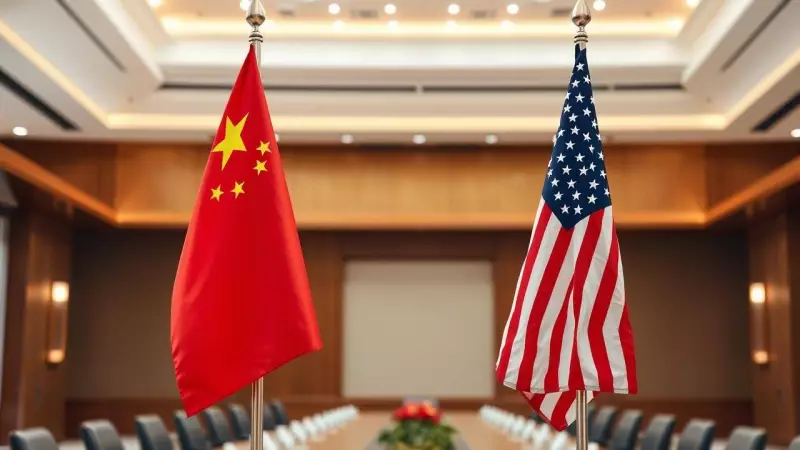
China has taken a firm stance against foreign cybersecurity providers. Authorities in Beijing have reportedly banned several American and Israeli cybersecurity firms from operating in the country. This move comes directly from Chinese officials who expressed serious national security concerns.
Foreign Software Faces Immediate Ban
According to a Reuters report, Chinese authorities have instructed local companies to immediately stop using cybersecurity software from approximately a dozen foreign providers. The directive specifically names prominent US companies including Broadcom-owned VMware, Palo Alto Networks, and Fortinet. Israeli company Check Point Software Technologies also appears on the banned list.
Officials stated their primary worry centers on data security. They believe these foreign software products could potentially collect confidential information and transmit it overseas. This concern has prompted the swift action to remove these tools from Chinese systems.

Growing Tech Tensions Drive Policy Shift
The cybersecurity ban arrives amid escalating technological competition between China and the United States. Beijing has been actively working to replace Western technology with domestic alternatives across multiple sectors. While computer chips and artificial intelligence have dominated headlines, cybersecurity represents another critical battlefield in this technological rivalry.
Chinese experts have repeatedly voiced concerns about Western equipment vulnerability. They fear foreign governments might exploit these systems to gain unauthorized access to sensitive information. This latest ban reflects those deepening security apprehensions.
Companies and Regulators Remain Silent
Neither the affected companies nor Chinese regulatory bodies have commented publicly on the situation. The Cyberspace Administration of China and the Ministry of Industry and Information Technology did not respond to requests for comment. Similarly, the four specifically named companies declined to answer Reuters' questions about the ban.
The report cites unnamed sources familiar with the matter, highlighting the sensitive nature of these security discussions. These sources chose to remain anonymous due to the politically charged environment surrounding US-China technological competition.
Broader Pattern of Technological Independence
This cybersecurity directive follows a consistent pattern in Chinese technology policy. Beijing has been systematically reducing dependence on Western technology across multiple domains. The government has encouraged domestic development of everything from computer chips to word-processing software.
Recent restrictions on Nvidia's advanced AI chips demonstrate this same cautious approach. Chinese authorities have made it exceptionally difficult for tech companies to purchase Nvidia's H200 AI chips, allowing purchases only in special circumstances like university research. The government provides vague guidance about buying chips only when "necessary" without clarifying what that term actually means.
This ambiguity suggests China remains extremely careful about reintegrating American technology companies into its market. Government plans include meetings with additional companies to deliver similar instructions, though whether these sessions will provide clearer guidance remains uncertain.
The cybersecurity ban represents another strategic move in China's broader campaign for technological self-sufficiency. As trade and tech tensions continue between the world's two largest economies, such protective measures will likely become more common. Chinese authorities appear determined to control their digital infrastructure while developing domestic alternatives to foreign technology products.