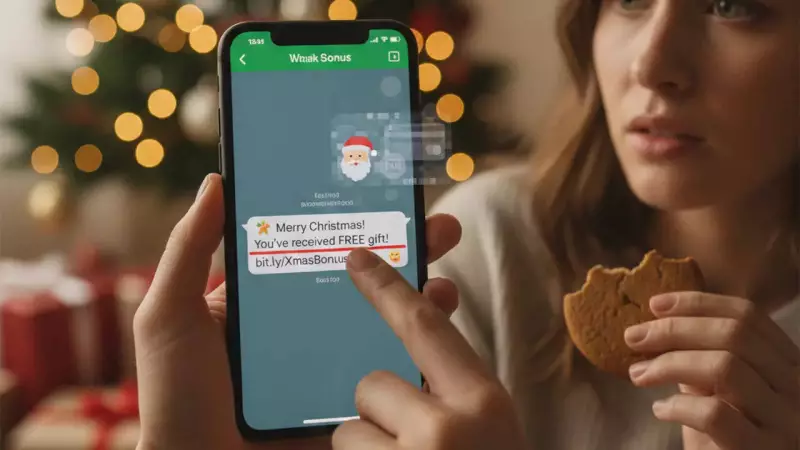
As the festive spirit of Christmas fills the air, a sinister threat is also on the rise. Cybersecurity experts warn that hackers and cybercriminals are exploiting the season of giving by circulating malicious "gift links" on WhatsApp. These deceptive messages have the potential to drain a victim's entire bank account within a matter of minutes.
The Festive Deception: How the Christmas Gift Scam Operates
The scam capitalizes on the genuine goodwill of the holidays, a time when people exchange greetings and real gift cards. Fraudsters send out tempting messages that appear to come from compromised accounts or fake profiles. These messages often read like "Merry Christmas! You've received a gift" or "Claim your Christmas bonus here." They contain masked or shortened URLs that promise attractive rewards like cashback, shopping vouchers, or direct cash.
Once an unsuspecting user clicks the link, they are taken to a sophisticated fake website designed to mimic a trusted bank or popular brand. Here, they are prompted to enter sensitive information such as their mobile number, a One-Time Password (OTP), or full banking credentials to supposedly "claim" the gift.

In a more dangerous twist, the link may trigger a silent download of a malicious application. If installed, this app spreads malware on the device. This malware can bypass two-factor authentication, record every keystroke, read incoming OTPs, and even gain direct access to banking apps. By the time the victim realizes what has happened, their hard-earned savings are often gone.
Red Flags: How to Spot a Festive Scam
Users must stay vigilant. Here are clear indicators that a festive message is a trap:
- Any offer of free money or expensive gifts without your prior participation is almost certainly a scam.
- Messages that pressure you to "share with 10 friends" to unlock a reward.
- Misspelled brand names (e.g., 'Amaz0n' instead of Amazon) or unfamiliar website domain extensions.
- Links that ask you to install a file or application to view your gift.
- Any request for your bank account details, OTP, or card CVV for "gift delivery."
Essential Steps to Protect Yourself This Christmas
To safeguard your finances, follow these critical safety measures:
Do not click on any unsolicited links, even if they seem to come from a known contact. Always verify with the sender through another channel.
Enable WhatsApp's two-step verification feature and regularly check the "Linked Devices" section in your app settings to ensure no unauthorized devices have access.
Remember, no legitimate bank or brand will ever ask for your OTP, CVV, or full password for a transaction or to receive a gift.
If you accidentally install a suspicious app, immediately turn off your internet connection, uninstall the application, and contact your bank to freeze your accounts as a precaution.
If you fall victim to such a scam, act immediately. Contact the National Cybercrime Helpline at 1930 or file an official report online at cybercrime.gov.in.