

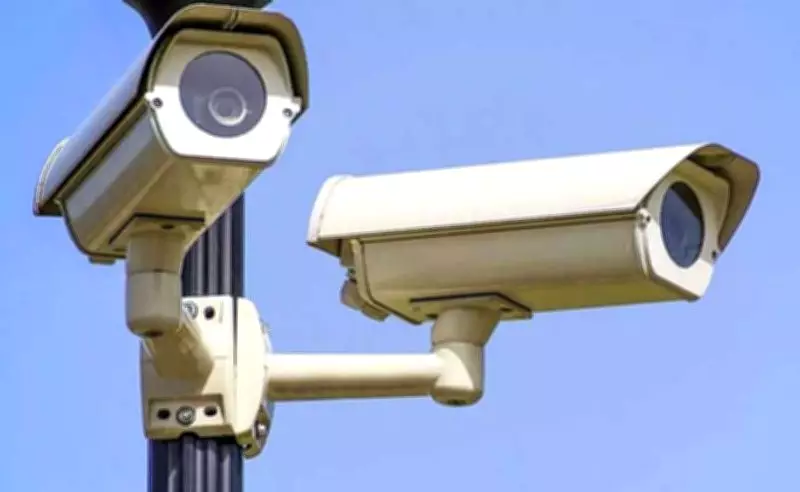
Delhi Initiates Phased Removal of Chinese CCTV Cameras Over Security Concerns
In a significant move aimed at bolstering national security, the capital city of Delhi has embarked on a phased removal of Chinese-made CCTV cameras from key locations. This decision comes amid growing apprehensions regarding data privacy and potential vulnerabilities associated with foreign surveillance equipment, particularly from China.
Security Risks Prompt Government Action
The phased removal is driven by heightened security concerns, as authorities fear that Chinese CCTV cameras could be exploited for espionage or data breaches. These devices, often installed in sensitive areas such as government buildings, public spaces, and critical infrastructure, pose risks of unauthorized access to sensitive information. The Indian government has been increasingly vigilant about cybersecurity threats, and this step aligns with broader efforts to reduce dependence on foreign technology in strategic sectors.
Key factors leading to the removal include:

- National Security Threats: Fears that Chinese cameras might have backdoors or vulnerabilities that could be used for surveillance by foreign entities.
- Data Privacy Issues: Concerns over the collection and potential misuse of data captured by these cameras, which could compromise citizen privacy.
- Geopolitical Tensions: Ongoing border disputes and diplomatic strains between India and China have exacerbated security anxieties, prompting a reassessment of technological imports.
Implementation of the Phased Removal Plan
The removal process is being carried out in a structured manner to minimize disruption while ensuring security upgrades. Initial phases focus on high-priority sites, such as government offices and defense installations, where the risk is deemed highest. Authorities are replacing the Chinese cameras with domestically manufactured or trusted international alternatives to maintain surveillance capabilities without compromising safety.
Steps involved in the phased approach:
- Assessment of existing CCTV installations to identify Chinese-made models and their locations.
- Prioritization of removal based on security criticality, starting with sensitive zones.
- Gradual replacement with secure alternatives, ensuring continuous monitoring during the transition.
- Regular audits and compliance checks to prevent future installations of risky equipment.
Broader Implications for Technology and Policy
This move reflects a larger trend in India's technology and security policies, emphasizing self-reliance and data sovereignty. It underscores the government's commitment to safeguarding critical infrastructure from external threats and aligns with initiatives like "Make in India" to promote domestic manufacturing. The phased removal also sends a strong message about India's stance on cybersecurity, potentially influencing other cities and sectors to adopt similar measures.
As Delhi progresses with this initiative, it sets a precedent for enhanced vigilance in urban security management, balancing technological advancement with national safety imperatives.






